
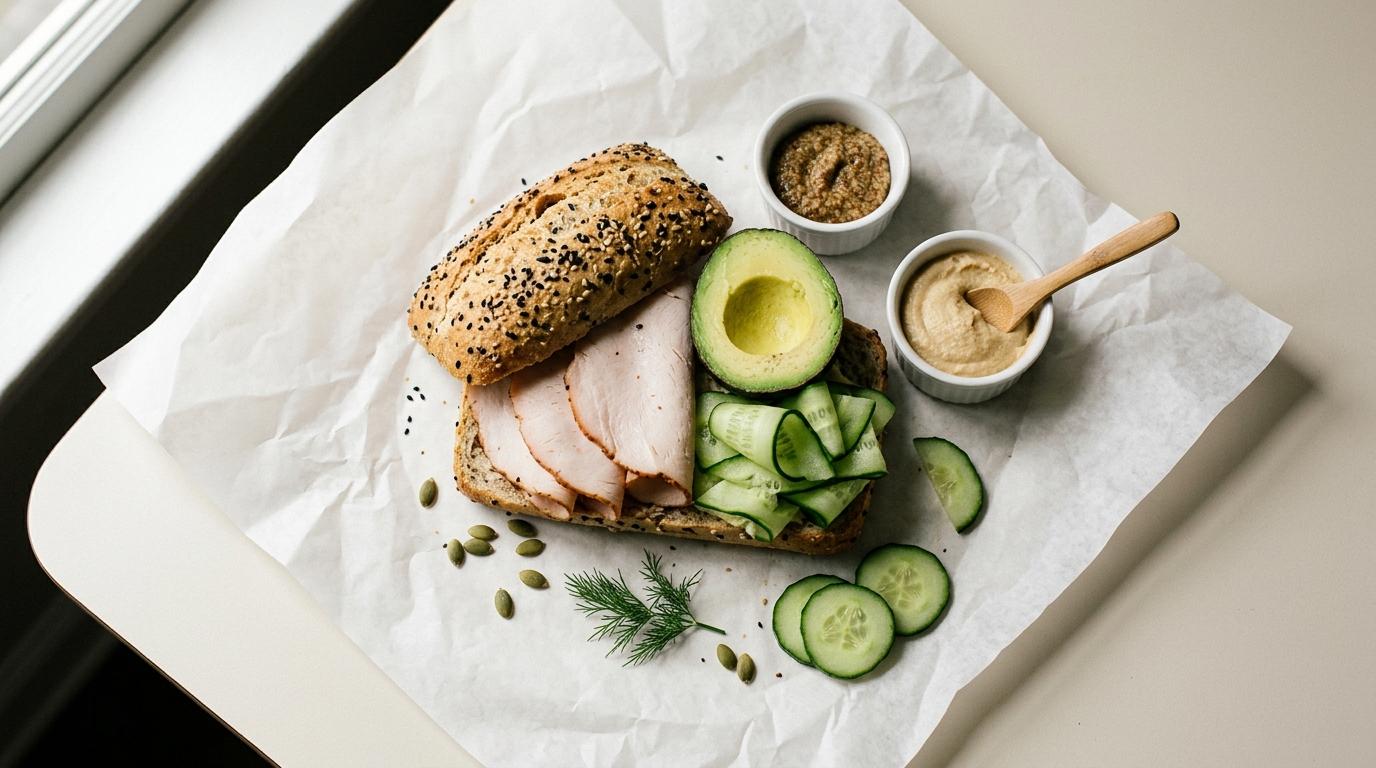
A high-protein deli lunch starts with lean meats like turkey breast or roasted chicken (25–30g protein per 4oz), skips calorie-dense spreads, and swaps traditional bread for lettuce wraps or gluten-free alternatives - delivering 35–50g of protein per meal under 500 calories.
Whether you're grabbing lunch near your office in Center City Philadelphia or ordering from a local catering spread, the deli counter is one of the most diet-friendly spots in any food service lineup - if you know what to look for. The challenge? Hidden sodium, sneaky calories in condiments, and cross-contamination risks for people with food sensitivities. This guide breaks down exactly how to navigate a deli menu for high-protein, low-calorie results - no matter your dietary needs.
Why the Deli Counter Is a High-Protein Power Move
Deli-sliced meats are among the most protein-dense, minimally processed options available in a quick-service or catering setting. Unlike a fast food combo meal that buries protein under breading and refined carbs, a well-built deli plate puts lean protein front and center. Here's a quick look at protein content across common deli meats:
- Roasted turkey breast: 28g protein per 4oz, approximately 120 calories
- Sliced chicken breast: 26g protein per 4oz, approximately 110 calories
- Lean roast beef: 22g protein per 4oz, approximately 160 calories
- Ham (low-sodium): 18g protein per 4oz, approximately 130 calories
- Tuna salad (made with light mayo): 20g protein per 4oz, approximately 200 calories
Compare that to a typical deli wrap loaded with cream cheese and sun-dried tomato spread: you're often looking at an extra 150–200 calories before you've added a single slice of meat. The protein is there - the calories come from what surrounds it.
High-Protein Deli Orders by Dietary Need
Gluten-Free Sandwich Options
For people avoiding gluten, the deli counter is actually one of the safer spots in any food environment - most whole deli meats are naturally gluten-free. The real risk is cross-contamination from shared slicers and the bread or wrap holding everything together.
When ordering gluten-free sandwich options at a deli:
- Ask specifically whether the slicer is shared with breaded products (some deli operations slice breaded chicken or meatloaf on the same machine)
- Request a lettuce wrap, rice paper wrap, or certified gluten-free bread if available
- Choose meats without added marinades - some seasoned deli meats contain wheat-based fillers or soy sauce derivatives
- Opt for whole mustard or olive oil instead of pre-made spreads that may contain gluten stabilizers
A solid gluten-free high-protein deli build: 4oz roasted turkey breast, avocado slices, cucumber, and whole-grain mustard in a large romaine lettuce wrap. Protein count: approximately 28–30g. Calories: under 300.
Dairy-Free Deli Choices
Dairy hides in surprising places at the deli - whey-based fillers in some processed meats, cream-based salads, and spreads. Dairy-free deli choices that still hit high-protein targets include:
- Plain sliced turkey, chicken, or roast beef with no added dairy marinades
- Hummus instead of cream cheese or aioli as your spread
- Oil-and-vinegar dressings on the side
- Avoiding deli salads like macaroni salad or coleslaw, which frequently contain dairy-based dressings
A reliable dairy-free, high-protein deli plate: 4oz sliced chicken breast, a scoop of hummus, sliced bell peppers, baby spinach, and olive oil on a gluten-free roll. You're looking at roughly 35g of protein and around 380 calories.
Low-Sodium Deli Meat Options
This is where deli meats get complicated. Standard deli-sliced turkey can carry 400–600mg of sodium per 2oz serving - and most portions run 4–6oz. That's a meaningful chunk of a daily 2,300mg limit before you've added mustard, pickles, or bread.
When hunting for low-sodium deli meat options:
- Ask the deli staff specifically for "no-salt-added" or "reduced sodium" products - many delis stock them but don't display them prominently
- Roast beef and fresh-carved turkey tend to run lower in sodium than processed ham or bologna
- Skip pickles, olives, and pre-marinated vegetables, which are cured in salt
- Use fresh herbs, lemon juice, or whole-grain mustard to add flavor without sodium spikes
- Request your sandwich without added salt on any greens or eggs
A good low-sodium high-protein build: 4oz fresh-carved roast beef (approximately 200mg sodium), lettuce, tomato, fresh herbs, and a thin spread of avocado on a low-sodium whole grain slice. Estimated sodium: under 350mg. Protein: 22–24g.
Keto Deli Sandwich Builds
The keto deli sandwich is one of the most straightforward dietary builds at any deli counter - protein and fat are your friends, and the deli has both in abundance. The only thing to cut is the bread and any sugary condiments.
Best keto-friendly deli strategies:
- Use large lettuce leaves or collard green wraps as your vessel
- Layer turkey, roast beef, or chicken with full-fat cheese (if dairy isn't a concern), avocado, and bacon
- Add healthy fats through olive oil, real mayonnaise, or guacamole
- Avoid honey mustard, teriyaki-glazed meats, or fruit-based chutneys - all high in sugar
- Hard-boiled eggs are a perfect keto protein add-on at most delis
A keto deli plate hitting macros well: 4oz turkey breast, 2 slices of provolone, 2 hard-boiled eggs, avocado, full-fat mayo, and baby spinach in a lettuce wrap. Estimated: 42g protein, 28g fat, 4g net carbs, approximately 430 calories.
Deli Options for Diabetics
Managing blood sugar at a deli means prioritizing protein and fiber while limiting simple carbohydrates and high-sodium processed meats that can affect blood pressure alongside blood glucose. Deli options for diabetics that work well:
- Choose whole-grain or sprouted grain bread (lower glycemic index than white) - or skip bread entirely
- Lean turkey or chicken breast keeps protein high and saturated fat low
- Load up on non-starchy vegetables: spinach, arugula, cucumber, tomato, peppers
- Avoid deli salads made with pasta, potatoes, or sugary dressings
- Choose vinegar-based dressings over creamy ones to support post-meal glucose response
- Pair your protein with a side of raw vegetables rather than chips or potato salad
Side-by-Side: Best vs. Worst High-Protein Deli Builds
Build Protein Calories Sodium (est.) Best For Turkey + lettuce wrap + mustard 28g ~250 380mg Gluten-free, keto, diabetics Chicken + hummus + veggies on GF roll 35g ~380 420mg Dairy-free, gluten-free Turkey + keto plate with eggs + avo 42g ~430 460mg Keto, high-protein Classic Italian sub (white roll, salami, provolone, mayo) 22g ~720 1,800mg None of the above Tuna melt on white + chips 20g ~850 1,200mg None of the aboveSmart Deli Ordering Tips That Apply to Everyone
- Ask for meat by the ounce. Most deli counters will weigh your protein on request. This is the single best way to control both calories and sodium.
- Condiments on the side, always. Even "healthy" spreads like pesto or hummus add up fast when applied by a deli worker with a generous hand.
- Double the vegetables, skip the second bread slice. Open-faced or lettuce-wrapped cuts carbs and calories significantly without cutting satisfaction.
- Ask about freshness. A quality Philadelphia deli catering service or local deli will always know how long their meats have been in rotation. Fresh-carved is almost always lower in additives than pre-packaged.
- Choose water or sparkling water. It sounds obvious, but the sugary drinks bundled into many deli combos can add 150–250 calories with zero protein.
Catering Orders With Dietary Restrictions in Mind
If you're coordinating a business lunch or team catering order in Center City Philadelphia, building a deli spread that works for everyone doesn't have to be complicated. The best Philadelphia catering companies let you pre-select protein options by dietary category - gluten-free trays, low-sodium meat selections, and dairy-free spreads - so no one at the table is stuck eating a plain salad while everyone else digs into a full spread.
When working with Philadelphia business catering providers, ask specifically about labeled trays. A clearly labeled high-protein, gluten-free option saves time, avoids cross-contamination anxiety, and means your team can focus on the meeting - not the menu.
What deli meats are highest in protein and lowest in calories?
Roasted turkey breast and sliced chicken breast lead the category - both deliver 26–28g of protein per 4oz serving with approximately 110–120 calories. Lean roast beef is a close third at 22g protein and around 160 calories per 4oz. All three are significantly better protein-to-calorie ratios than processed options like bologna or salami.
Can I build a genuinely gluten-free sandwich at a deli?
Yes, but you need to ask two specific questions: whether the slicer is shared with breaded or gluten-containing products, and whether the meats themselves contain wheat-based additives. Most whole deli meats are naturally gluten-free. Request a lettuce wrap or certified gluten-free bread and confirm with staff before ordering.
What's the best deli order for someone managing diabetes?
Focus on lean protein (turkey or chicken breast), non-starchy vegetables (spinach, cucumber, peppers), and either no bread or a low-glycemic whole-grain option. Skip pasta salads, potato salads, and creamy dressings. A vinegar-based dressing or plain mustard supports a lower post-meal glucose response compared to mayo or honey mustard.
How do I keep sodium low when ordering deli meat?
Ask for no-salt-added or reduced-sodium deli meats - most delis stock them but won't display them prominently. Fresh-carved turkey or roast beef generally runs lower in sodium than processed ham or bologna. Avoid pickles, olives, and pre-marinated toppings, and use fresh herbs or lemon juice for flavor instead of salt-heavy condiments.
Is a keto deli sandwich actually filling without the bread?
Absolutely. The key is replacing the volume of bread with satisfying fat sources - avocado, full-fat cheese, real mayo, or a couple of hard-boiled eggs. A keto deli plate built with 4oz of turkey, avocado, eggs, and full-fat mayo in a lettuce wrap delivers approximately 42g of protein and 28g of fat, which is genuinely satiating for 4–6 hours for most people.