
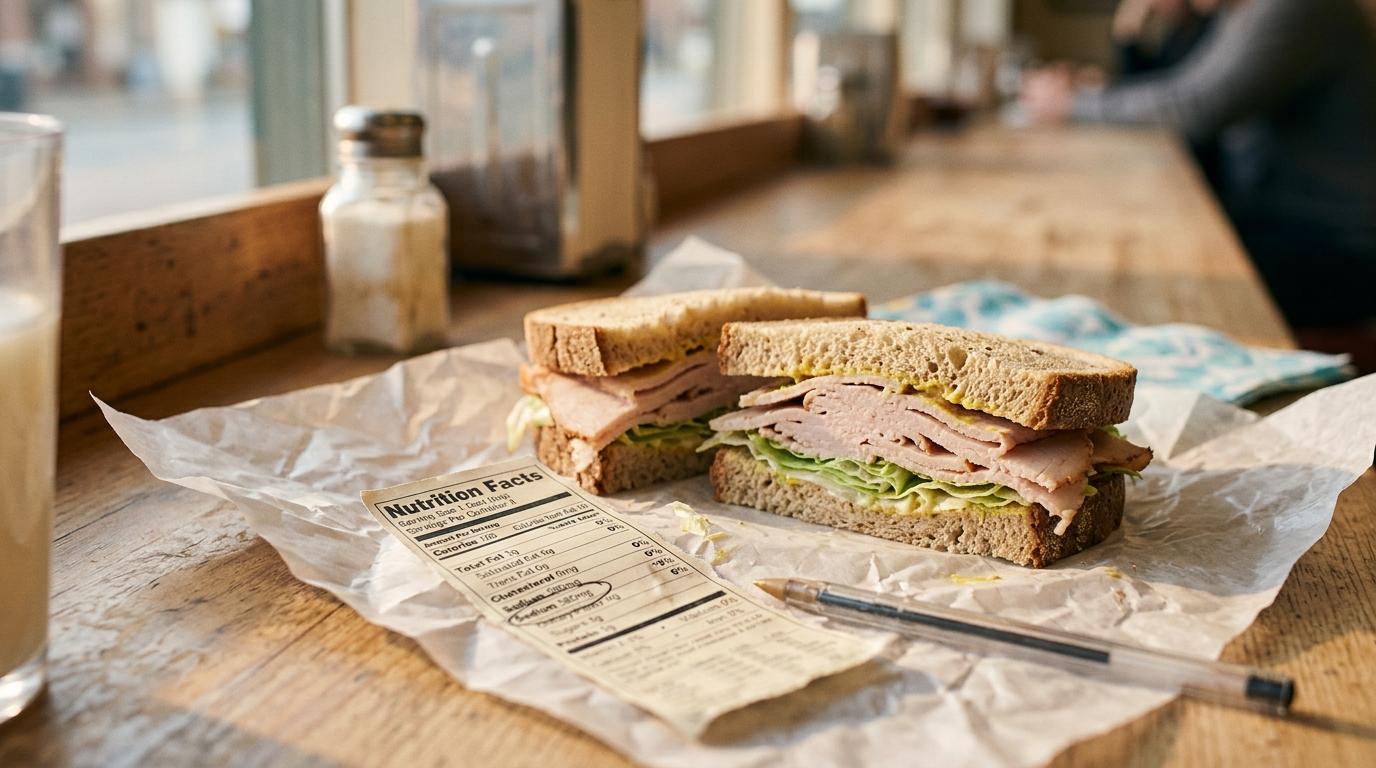
Turkey breast is the healthiest common deli meat, with roughly 60–70 calories, 11–13g of protein, and 1–2g of fat per 2-ounce serving. Salami and bologna sit at the opposite end, with 130–180 calories and 10–15g of fat in the same portion. Here's how the full lineup stacks up - and what to watch before you order.
Whether you're picking up a sandwich from a deli catering service in Philadelphia or stocking a breakfast spread for an office meeting, knowing your deli meat nutrition facts helps you make smarter choices without overthinking every slice.
Why Deli Meat Gets a Bad Rap (and Whether It's Earned)
Processed meat health concerns are real but often oversimplified. The big issues are sodium, nitrates, and saturated fat - not protein content or calories alone. Most deli meats are cured or preserved, which pushes sodium counts high: a single 2-ounce portion of ham can carry 500–700mg of sodium, which is nearly 30% of the recommended daily limit of 2,300mg.
A 2023 meta-analysis published in The BMJ linked regular processed meat consumption (more than 50g per day) with modestly elevated cardiovascular risk. That's roughly two to three slices daily. The keyword is regular. An occasional deli lunch or catered office breakfast is a different conversation than daily processed meat intake at high volumes.
The good news: not all deli meats are processed equally. Whole-muscle cuts like sliced turkey breast or roast beef are less processed than restructured meats like bologna or chicken loaf. Reading labels - and knowing which meats start healthier - makes a meaningful difference.
Healthiest Deli Meats, Ranked by Nutritional Profile
All values below are approximate per 2-ounce (56g) serving, based on standard USDA data and common deli-counter products.
-
Turkey Breast (low-sodium, whole muscle)
Calories: 60–70 | Protein: 12–13g | Fat: 1g | Sodium: 360–450mg
The clear winner. Turkey breast delivers the highest protein-to-calorie ratio of any common deli meat. Look for "low-sodium" or "no added nitrates" labels to cut the salt load further. -
Chicken Breast (sliced, roasted)
Calories: 60–75 | Protein: 11–13g | Fat: 1–2g | Sodium: 400–500mg
Almost identical to turkey. A reliable lean option for breakfast catering spreads and office sandwich trays. -
Roast Beef
Calories: 80–100 | Protein: 10–12g | Fat: 3–5g | Sodium: 280–400mg
Surprisingly, roast beef often has lower sodium than turkey or chicken from a standard deli counter, because it requires less brining. It's higher in iron and zinc than poultry cuts. -
Ham (honey or black forest)
Calories: 80–100 | Protein: 9–11g | Fat: 2–4g | Sodium: 500–700mg
Ham is where sodium becomes the main concern. It's not unhealthy by calorie count, but the salt load is real. If sodium is a priority, choose a low-sodium ham or reduce portion size. -
Pastrami
Calories: 80–100 | Protein: 10–12g | Fat: 3–5g | Sodium: 550–750mg
Pastrami is a beloved Philadelphia deli staple - and it lands in the middle of the pack. It's leaner than it tastes, but the brine and spice rub push sodium high. Worth ordering, just not daily. -
Salami
Calories: 120–150 | Protein: 7–9g | Fat: 10–13g | Sodium: 550–700mg
Salami is a fermented, cured meat with high fat content - mostly saturated. It's flavorful and fine as an occasional addition to a charcuterie board, but it's not a lean protein source. -
Bologna
Calories: 140–180 | Protein: 5–7g | Fat: 12–16g | Sodium: 500–680mg
Bologna sits at the bottom of the health ranking. It's a restructured product typically made from mixed meat scraps, fat, and fillers. High in fat, moderate in sodium, and low in useful protein relative to its calorie count.
Deli Meat vs. Deli Meat: A Direct Comparison
Deli Meat Calories (2 oz) Protein (g) Fat (g) Sodium (mg) Turkey Breast 60–70 12–13 1 360–450 Chicken Breast 60–75 11–13 1–2 400–500 Roast Beef 80–100 10–12 3–5 280–400 Ham 80–100 9–11 2–4 500–700 Pastrami 80–100 10–12 3–5 550–750 Salami 120–150 7–9 10–13 550–700 Bologna 140–180 5–7 12–16 500–680What About Deli Cheese Nutrition?
Deli cheese nutrition varies more than most people realize. Here's a quick breakdown per 1-ounce (28g) slice:
- Swiss cheese: 105 calories, 8g protein, 8g fat, 54mg sodium - one of the lower-sodium cheese options at the deli counter
- Provolone: 98 calories, 7g protein, 7g fat, 245mg sodium
- American cheese: 94 calories, 5g protein, 7g fat, 468mg sodium - a processed cheese product with the highest sodium of common deli slices
- Cheddar: 113 calories, 7g protein, 9g fat, 180mg sodium
- Pepper jack: 106 calories, 6g protein, 8g fat, 190mg sodium
If you're watching sodium, Swiss is the standout choice. For protein per calorie, provolone and Swiss are both solid. American cheese tastes mild and melts well, but its sodium per slice is nearly double that of Swiss - worth knowing if you're building catering trays for health-conscious groups.
Practical Tips for Ordering Healthier at a Deli
- Ask for low-sodium options. Many Philadelphia deli catering companies offer reduced-sodium versions of turkey, ham, and roast beef - you just have to ask.
- Choose whole-muscle cuts over restructured meats. If an ingredient label lists multiple meat types or "mechanically separated," it's more processed.
- Watch the accumulation. Two slices of turkey plus two slices of American cheese on a sandwich can push sodium past 900mg before you add condiments.
- Look for "no added nitrates" labels. These products use natural sources of nitrates (like celery powder) which still contain nitrates, but at lower concentrations than synthetic versions.
- Pair with vegetables. When ordering from business catering in Center City Philadelphia, request veggie add-ons - it offsets the sodium impact and adds fiber the deli meat lacks.
Is Deli Meat Healthy? The Honest Answer
Deli meat is a convenient, high-protein food that fits into a balanced diet when consumed in reasonable portions and without daily reliance on the most processed options. Turkey breast and roast beef are genuinely good protein sources. Salami and bologna are better treated as flavor components than protein anchors.
For office catering, event catering, or everyday lunches across Philadelphia, the smartest approach is to anchor your spread around lean turkey, chicken, and roast beef, use higher-fat options like salami sparingly for variety, choose Swiss or provolone over American cheese, and keep an eye on total sodium across the full meal - not just the meat.
Deli Meat Nutrition Facts FAQ
What is the healthiest deli meat you can order?
Turkey breast (whole muscle, low-sodium) is the healthiest common deli meat. It delivers 12–13g of protein per 2-ounce serving with only 1g of fat and 60–70 calories. Sliced roast beef is a close second, and it often has lower sodium than turkey from standard deli counters.
How many calories are in a typical deli meat sandwich?
A standard deli sandwich with 3 ounces of turkey, two slices of provolone, mustard, and vegetables on whole wheat bread runs approximately 380–450 calories. Switching to salami or adding mayonnaise can push that to 600–700 calories in the same portion size.
Is deli meat bad for your heart?
Regular consumption of processed deli meat - particularly more than 50g per day - is associated with modestly elevated cardiovascular risk, largely due to sodium and saturated fat content. Lean, minimally processed options like turkey breast or roast beef carry significantly lower risk than high-fat cured meats like salami or bologna.
What deli cheese has the least sodium?
Swiss cheese has the lowest sodium of common deli cheese options, at roughly 54mg per 1-ounce slice. That's compared to 245mg in provolone and 468mg in a standard American cheese slice, making Swiss the clear choice for sodium-conscious ordering.
What should I request when ordering deli catering for a health-conscious office?
Request a mix of low-sodium turkey breast, roast beef, and sliced chicken as the protein anchors. Ask for Swiss and provolone instead of American cheese, and include a vegetable tray alongside the meat. Many Philadelphia catering companies serving Center City businesses can accommodate these requests when specified in advance.