Catering in Philadelphia typically costs $15–$25 per person for a drop-off breakfast or deli lunch, $28–$45 per person for a hot buffet, and $60–$150+ per person for plated or full-service dinners. The fastest ways to lower the bill are to choose the right service style, trim your menu, order at the right time, right-size your headcount, and cut the extras that quietly inflate the total. Here is how each one works.
How Much Does Catering Cost in Philadelphia?
Before you can save money, you need a baseline. Prices vary by caterer, season, and neighborhood, but these ranges reflect what most Philly businesses and event hosts see in 2026 when they request quotes. Treat them as planning numbers, then confirm with a written proposal.
| Service Style | Typical Cost Per Person | Best For |
|---|---|---|
| Breakfast drop-off (bagels, pastries, fruit, coffee) | $10–$18 | Morning meetings, onboarding |
| Deli lunch boxes or platters | $14–$24 | Team lunches, training days |
| Hot buffet with setup | $28–$45 | Client lunches, office parties |
| Cocktail reception with passed appetizers | $35–$70 | Receptions, open houses |
| Plated seated dinner | $60–$150+ | Galas, formal events |
Those numbers usually exclude tax, delivery, gratuity or service charges, and rentals. Always ask whether a quote is "all in." A $20 per person lunch can become $27 once fees are added, which is the most common budgeting surprise.
1. Choose a Service Style That Matches the Occasion
Service style is the biggest cost lever you control. Staffing is the largest hidden expense in catering, and plated service requires servers, a kitchen crew, and often a captain. A drop-off order requires one driver.
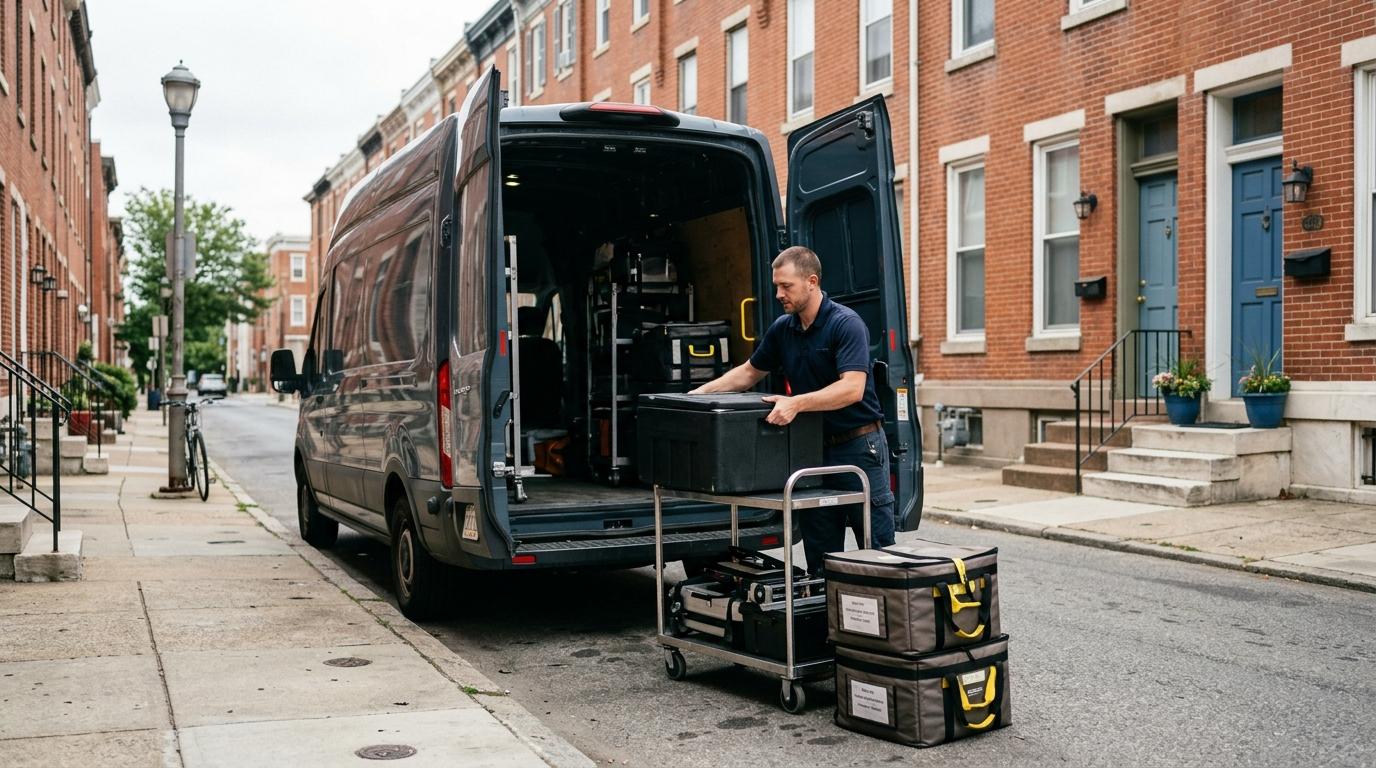
- Drop-off: The caterer delivers food in disposable or chafing-ready packaging. No staff stays. This is the cheapest format and works well for any meeting under 75 people.
- Drop-off with setup: Adds a short window where the delivery team arranges food and sterno. It costs a modest flat fee and looks far more polished.
- Full service: Staff stays, replenishes, and cleans up. Budget roughly one server per 20–25 guests for a buffet and one per 10–15 for plated.
A practical move: for a client lunch in a Center City conference room, use drop-off with setup and spend the savings on better ingredients rather than labor.
2. Build a Smarter Menu
Menu design can shift your per-person cost by 20–30% without anyone noticing. Protein is the expensive line item, so manage it first.
- Pick one premium item, not three. Offer a standout protein such as roasted salmon alongside a lower-cost option like chicken thighs or a hearty pasta.
- Lean on strong sides. Roasted vegetables, grain salads, and house-made dressings cost less per serving than meat and make a meal feel complete.
- Choose seasonal produce. Summer tomatoes and fall squash cost less and taste better than out-of-season alternatives.
- Use local favorites. Soft pretzels, roast pork sandwiches, and a quality deli spread feel distinctly Philadelphian and cost less than elaborate entrées.
For breakfast catering, a bagel and spread platter with fruit and coffee delivers the highest satisfaction per dollar. Hot egg sandwiches add cost quickly, so offer them only if the meeting runs early or long.
3. Order Early and Avoid Rush Pricing
Many Philadelphia caterers add rush fees of 10–25% for orders placed with under 48 hours of notice. Ordering a week ahead gives the kitchen room to source ingredients efficiently and schedule staff without overtime.
Timing also matters on the calendar. Late November through December is peak season for corporate parties, and popular dates book out weeks in advance. If your event is flexible, consider:
- Hosting midweek (Tuesday–Thursday) instead of Friday, when demand peaks.
- Choosing a January or February holiday party alternative, when caterers have open capacity and sometimes negotiate.
- Scheduling a lunch or brunch event instead of dinner. Daytime menus are lighter and cheaper.
For recurring needs, such as weekly team lunches, ask about a standing-order rate. Caterers value predictable revenue and often discount for it.
4. Right-Size Your Headcount
Overordering is the most common source of waste. Most hosts add a 10–15% buffer "just in case," then watch the leftovers go in the trash. Use data instead.
- Track RSVPs. For internal meetings, expect 85–90% of confirmed attendees to show up. For client events, expect 90–95%.
- Request a guaranteed count deadline. Most caterers lock numbers 3–5 business days out. Ask whether you can adjust down by 10% after that.
- Plan portions by meal type. A lunch with sandwiches needs about one sandwich per person, with platters cut in halves or thirds so guests can sample.
- Ask for a smaller add-on tier. Some caterers sell "overflow" trays at a reduced rate so you cover surprises without buying a full extra portion for everyone.
If you order for 60 and 52 show up, you have overspent by roughly 13%. Over a year of weekly meetings, that adds up fast.
5. Cut the Extras That Inflate the Bill
Line items beyond the food often account for 25–35% of a catering invoice. Review each one.
- Disposables vs. rentals: Quality compostable plates and cutlery usually cost less than china rentals plus pickup and cleaning fees.
- Beverages: Serve iced tea, lemonade, and water in large dispensers instead of individually bottled drinks. Coffee service is cheaper by the airline-style carafe than by the cup.
- Desserts: One bite-size dessert, such as cookies or brownie squares, satisfies most guests at a fraction of a plated dessert.
- Delivery zones: Delivery to Center City is often cheaper than to the suburbs. If your caterer is nearby, fees can be minimal. Ask for the delivery charge up front.
- Service charges: Clarify whether a 18–22% service charge replaces tipping. Paying both is a common double-dip.
Request an itemized quote so you can see each cost and remove what you do not need.
How to Compare Catering Quotes Fairly
Two quotes can look 15% apart and still be identical once you account for what is included. Ask each caterer the same five questions:
- What is the total per-person price including tax, delivery, and service fees?
- What are the exact portion sizes for each protein and side?
- Are serving utensils, chafing dishes, and napkins included?
- What is the cancellation and headcount-change policy?
- Is there a minimum order, and does it change with the day of the week?
Choosing a local business that offers deli, café, and breakfast catering under one roof also helps. You can pair a breakfast order with a lunch order and often negotiate a better combined rate than you would by splitting vendors.
Philadelphia Catering Cost FAQ
How much does catering cost per person in Philadelphia?
Expect $10–$18 for breakfast drop-off, $14–$24 for deli lunch, $28–$45 for a hot buffet, and $60–$150+ for plated dinners. Taxes, delivery, and service fees typically add 15–30%.
What is the cheapest way to cater a corporate event?
Drop-off catering with a limited menu is the cheapest option. Deli platters, boxed lunches, or a breakfast spread with bagels and fruit remove staffing costs and keep per-person prices under $25.
How far in advance should I book catering in Philly?
Book 5–7 days ahead for routine office meetings and 3–6 weeks ahead for December events or groups over 100. Orders under 48 hours often incur rush fees of 10–25%.
How should I set a corporate catering budget?
Start with your headcount and multiply by the per-person target for your service style. Then add 20–30% for tax, delivery, service, and beverages. Reserve 5% for last-minute changes.
Is a service charge the same as a tip?
Not always. A service charge of 18–22% may cover staff wages, admin costs, or both. Ask your caterer how the charge is distributed before adding a separate gratuity.