
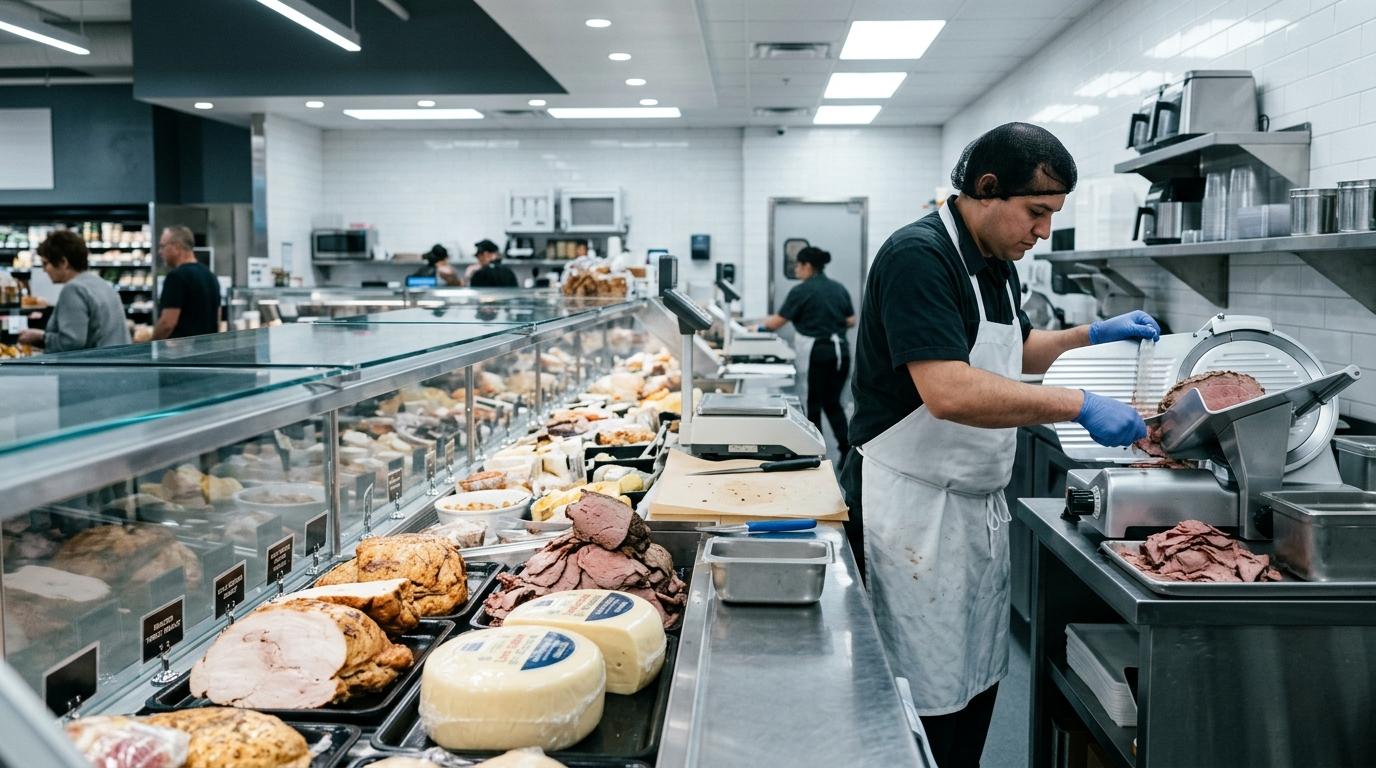
Eating low-sodium at a deli is absolutely doable - you just need to know which meats clock in under 300mg per serving, which cheeses to reach for, and what simple swaps cut your salt load in half without sacrificing flavor.
If you're managing blood pressure, following a heart-healthy diet, or simply trying to be more mindful about sodium, the deli counter can feel like a minefield. Traditional deli meats are cured, smoked, and seasoned - processes that pack in sodium fast. But not every protein behind the glass is a salt bomb, and a few smart choices at a Philadelphia deli or any local deli catering spread can make a real difference in what ends up on your plate.
Why Deli Sodium Adds Up So Quickly
A single ounce of standard deli meat - about two thin slices - can contain anywhere from 250mg to 500mg of sodium. Stack four slices on a sandwich, add a slice of processed cheese, spread on some mustard, and pile on pickles, and you're easily looking at 1,200–1,800mg of sodium in one meal. The American Heart Association recommends staying under 2,300mg per day, ideally targeting 1,500mg for those with hypertension. One deli sandwich can eat through most of that budget before lunch is even over.
The good news: not all deli proteins are created equal. Some are naturally lower in sodium, and many delis - including those offering deli catering services in Philadelphia- now carry low-sodium or no-salt-added options specifically for health-conscious customers.
Low-Sodium Deli Meats: What to Order and What to Avoid
Here's a straightforward breakdown of common deli meats ranked by typical sodium content per 2-ounce serving:
Deli Meat Typical Sodium (per 2 oz) Low-Sodium Verdict Roast beef (unseasoned) 180–250mg ✅ Best choice Fresh-roasted turkey breast 200–300mg ✅ Strong option Chicken breast (plain roasted) 200–280mg ✅ Strong option Ham (standard) 500–700mg ⚠️ High - avoid or limit Salami / pepperoni 550–800mg ❌ Skip it Pastrami 450–600mg ⚠️ Occasional treat only Bologna 500–650mg ❌ Skip it Low-sodium turkey (labeled) 95–140mg ✅ Best choiceThe bottom line on meat: Roast beef, fresh-roasted turkey breast, and plain chicken breast are your three go-to low sodium deli meat options. If you see a "low-sodium" or "no salt added" label, those products typically contain 35–140mg per serving - a dramatic drop from the standard versions.
Cheese Choices That Won't Blow Your Sodium Budget
Cheese adds flavor and protein, but it also adds sodium. Here's how common deli cheeses compare:
- Swiss cheese- Around 55–75mg per slice. The lowest-sodium cheese you'll regularly find at a deli counter. This is your number-one pick.
- Muenster- About 110–130mg per slice. A mild, creamy option that works well when Swiss feels too nutty.
- Provolone- Roughly 140–160mg per slice. Acceptable in moderate amounts.
- American cheese- Often 350–450mg per slice. Processed and high in sodium - skip it if you're watching your intake.
- Pepper jack- Around 150–200mg, but varies widely by brand. Use sparingly.
If you're also exploring dairy-free deli choices, many delis now carry plant-based cheese alternatives. Sodium levels in these vary significantly by brand, so ask to see the label before ordering. Some cashew-based or almond-based slices come in under 100mg per serving.
Smart Swaps That Cut Sodium Without Cutting Flavor
Choosing the right protein and cheese is only part of the equation. These swaps target the other sodium culprits hiding in your deli order:
- Swap pickles for fresh cucumber slices. A single dill pickle spear can contain 300–500mg of sodium. Cucumber delivers the crunch and freshness without the salt hit.
- Skip mustard, choose avocado or hummus. Yellow mustard runs about 55–60mg per teaspoon and adds up fast. Avocado spread or plain hummus adds creaminess and healthy fat with minimal sodium.
- Choose lettuce wraps or low-sodium bread. Standard deli bread and sub rolls can contain 150–300mg of sodium per slice before anything goes on them. Ask about gluten-free sandwich options- some GF breads are also lower in sodium by formulation. A large lettuce wrap brings that number close to zero.
- Ask for oil and vinegar instead of prepared dressings. Italian dressing and mayo can add 200–400mg of sodium per tablespoon. A drizzle of olive oil and red wine vinegar adds bright flavor with virtually no sodium.
- Load up on fresh vegetables. Tomatoes, onions, roasted red peppers (unseasoned), spinach, and sprouts are essentially sodium-free and add texture, vitamins, and satiety.
- Go open-faced. One slice of bread instead of two immediately cuts the bread-derived sodium by 50%. Simple and effective.
Building a Low-Sodium Deli Order That Actually Satisfies You
A genuinely satisfying low-sodium deli sandwich - one that works for high protein deli orders and keeps you full - looks something like this:
- 4 oz fresh-roasted turkey breast or plain roast beef (~300mg sodium)
- 1 slice Swiss cheese (~65mg sodium)
- Lettuce wrap or one slice of low-sodium whole grain bread (~0–150mg sodium)
- Tomato, spinach, roasted red pepper, red onion (~10mg sodium total)
- Avocado spread and a splash of red wine vinegar (~15mg sodium)
Total estimated sodium: 390–540mg. That's a complete, protein-dense, flavorful deli meal that fits comfortably within a 1,500mg daily target and still leaves room for the rest of your day's meals.
This approach also works well as a keto deli sandwich option when you swap any bread for a lettuce wrap and stick to the higher-fat, lower-carb proteins like roast beef with Swiss. For those navigating deli options for diabetics, keeping the bread portion small or eliminated, choosing lean proteins, and avoiding sweet condiments helps manage glycemic response without sacrificing a satisfying lunch.
What to Ask at the Counter
Don't be shy about asking questions at a deli counter - it's standard practice, and a good deli team will know their products. Useful questions to ask:
- "Do you carry any no-salt-added or low-sodium turkey or roast beef?"
- "Is this turkey fresh-roasted in-house, or is it a processed deli roll?" (Fresh-roasted is almost always lower in sodium.)
- "What's in the seasoning on that chicken breast?"
- "Do you have any unseasoned roasted proteins?"
For corporate breakfast catering and business catering in Center City Philadelphia, it's worth requesting a dedicated low-sodium section on any deli platter. Most professional catering companies can accommodate this with advance notice - think plain roasted turkey, unseasoned roast beef, Swiss cheese, and a fresh veggie spread alongside the standard offerings.
The Bigger Picture for Regular Deli Diners
If you eat from a deli multiple times per week - whether it's a quick lunch near the office or a catered team meeting - your cumulative sodium intake from those meals matters. Making low-sodium choices consistently doesn't mean eating bland food. It means knowing which proteins and cheeses are your allies, which condiments are the hidden villains, and what swaps feel natural rather than like a sacrifice.
Philadelphia has a strong deli culture, and many of the best Philadelphia catering companies and local delis are increasingly attentive to dietary needs. Whether you're ordering for yourself or planning a catered spread for a group, low-sodium options are available - you just need to know how to ask for them.
Gluten-free Sandwich Options FAQ
What is the lowest-sodium deli meat I can order?
Fresh-roasted turkey breast and plain roast beef are consistently the lowest-sodium options at a standard deli counter, typically running 180–300mg of sodium per 2-ounce serving. Deli meats labeled "low-sodium" or "no salt added" can drop that number to 95–140mg per serving, making them the single best choice if your deli carries them.
Is Swiss cheese really lower in sodium than other cheeses?
Yes. Swiss cheese contains roughly 55–75mg of sodium per slice, which is significantly lower than American cheese (350–450mg per slice) or provolone (140–160mg per slice). Swiss is the go-to cheese choice for anyone managing sodium intake at the deli counter.
Can I eat a high-protein deli order while keeping sodium low?
Absolutely. Protein and sodium are not tied together - the sodium comes from curing, smoking, and seasoning, not from the protein itself. Choosing plain roasted chicken breast, fresh turkey, or unseasoned roast beef gives you 20–28 grams of protein per 4-ounce serving at a fraction of the sodium found in cured meats like salami or bologna.
Are gluten-free deli bread options also lower in sodium?
Sometimes, but not always. Some gluten-free breads use less sodium in their formulas than standard deli rolls, but others compensate for texture with added salt. The safest low-sodium option remains a lettuce wrap, which has essentially zero sodium. If you want bread, ask to see the nutrition label on any gluten-free loaf before ordering.
How do I request low-sodium options for a catered business lunch in Philadelphia?
Contact your catering company at least 48–72 hours in advance and specify that you need a low-sodium section on the deli platter. Request plain roasted turkey, unseasoned roast beef, Swiss cheese, and fresh vegetable accompaniments. Reputable Philadelphia business catering services handle these requests routinely and can label items clearly so guests with dietary needs can identify their options easily.