The quality of your deli's ingredients directly determines the quality of your food - and in a competitive market like Philadelphia, that distinction wins or loses catering contracts. Whether you're running a neighborhood deli or scaling up your deli catering services in Philadelphia, your supplier relationships are the backbone of everything you serve. Here's a practical guide to sourcing smart, building strong supplier partnerships, and keeping your ingredient quality consistent no matter how big your orders get.
Why Ingredient Sourcing Is a Competitive Advantage
In the catering world, menus are easy to copy. A competitor can look at your breakfast spread and offer something similar within a week. What they can't easily replicate is your supplier network - the relationships you've built with farms, distributors, and specialty purveyors that give you access to better products at better prices.
For Philadelphia business catering specifically, corporate clients are increasingly asking detailed questions about where food comes from. Office managers booking recurring lunch orders for Center City companies want to know if the turkey is nitrate-free, whether the bread is baked locally, and if there are allergen-controlled prep options. Having clear, confident answers - backed by real supplier relationships - is a sales tool, not just a compliance checkbox.
The 4 Core Supplier Categories Every Deli Needs
A well-sourced deli operation typically pulls from four distinct supplier tiers. Managing each one strategically keeps your quality up and your food costs in check.
- Broadline Distributors: Companies like Sysco, US Foods, and Gordon Food Service are your volume workhorses. They handle pantry staples, condiments, paper goods, and standard proteins at scale. Negotiate quarterly contracts and lock in pricing where possible - commodity prices fluctuate, and a contract can shield you from short-term spikes.
- Local & Regional Farms: Pennsylvania has a strong agricultural base. Lancaster County alone produces exceptional dairy, eggs, and seasonal produce. Establishing even one or two direct farm relationships adds credibility to your menu and often improves freshness over broadline alternatives.
- Specialty Meat & Charcuterie Purveyors: A deli lives and dies by its meats. Sourcing from specialty suppliers - think small-batch smoked pastrami producers or heritage breed pork providers - gives you items no chain deli can match. This is especially valuable for catering for businesses in Center City Philadelphia where clients expect above-average fare.
- Artisan Bakeries: Don't underestimate bread. A hoagie roll from a local bakery versus a generic broadline roll is a noticeable difference. Partner with one or two Philadelphia-area bakeries for daily or every-other-day delivery schedules.
Local vs. Broadline: A Practical Comparison
Choosing between local sourcing and broadline distribution isn't an either/or decision - it's about knowing when each option makes sense. Here's a straightforward breakdown:
Factor Local / Regional Suppliers Broadline Distributors Cost per unit Higher, but negotiable at volume Lower due to scale Freshness Excellent - shorter supply chain Adequate - longer transit times Menu differentiation High - unique, storytelling-ready products Low - same products every competitor uses Reliability / Consistency Variable - seasonal and capacity limits High - national logistics infrastructure Minimum order requirements Flexible with smaller producers Often require weekly minimums Marketing value Strong - clients respond to local sourcing stories MinimalThe smartest approach for a growing Philadelphia catering company: use broadline for volume staples and local suppliers for the high-visibility, customer-facing items - proteins, produce, bread, and dairy.
Negotiating With Suppliers: 5 Tactics That Actually Work
Supplier relationships aren't just transactional. The delis that get the best pricing, the first call when inventory is tight, and priority on specialty items are the ones that treat vendors like partners. Here's how to get there:
- Commit to volume forecasts. Even rough weekly projections give suppliers the confidence to reserve product for you. A standing order is more attractive than random spot purchases.
- Pay on time, every time. This sounds basic, but it separates you from the majority of small food businesses. Net-30 accounts that pay in 15 days get remembered - and rewarded.
- Ask about secondary grades. Many produce and protein suppliers have Grade B inventory that meets your quality needs at a 15–25% discount. You won't see it on the price sheet; you have to ask.
- Bundle your asks during renewals. When renegotiating a contract, ask for pricing concessions, delivery frequency changes, and credit terms in the same conversation - not separately.
- Visit your suppliers in person. A trip to a Lancaster County farm or a local smokehouse builds a relationship that survives supply crunches. Phone customers get cut first; farm-visit customers get a call when supply is limited.
Managing Quality Control Across High-Volume Catering Orders
Sourcing great ingredients is step one. Maintaining quality when you're running breakfast catering for 200 people and a corporate lunch for 80 on the same Tuesday is a different challenge entirely.
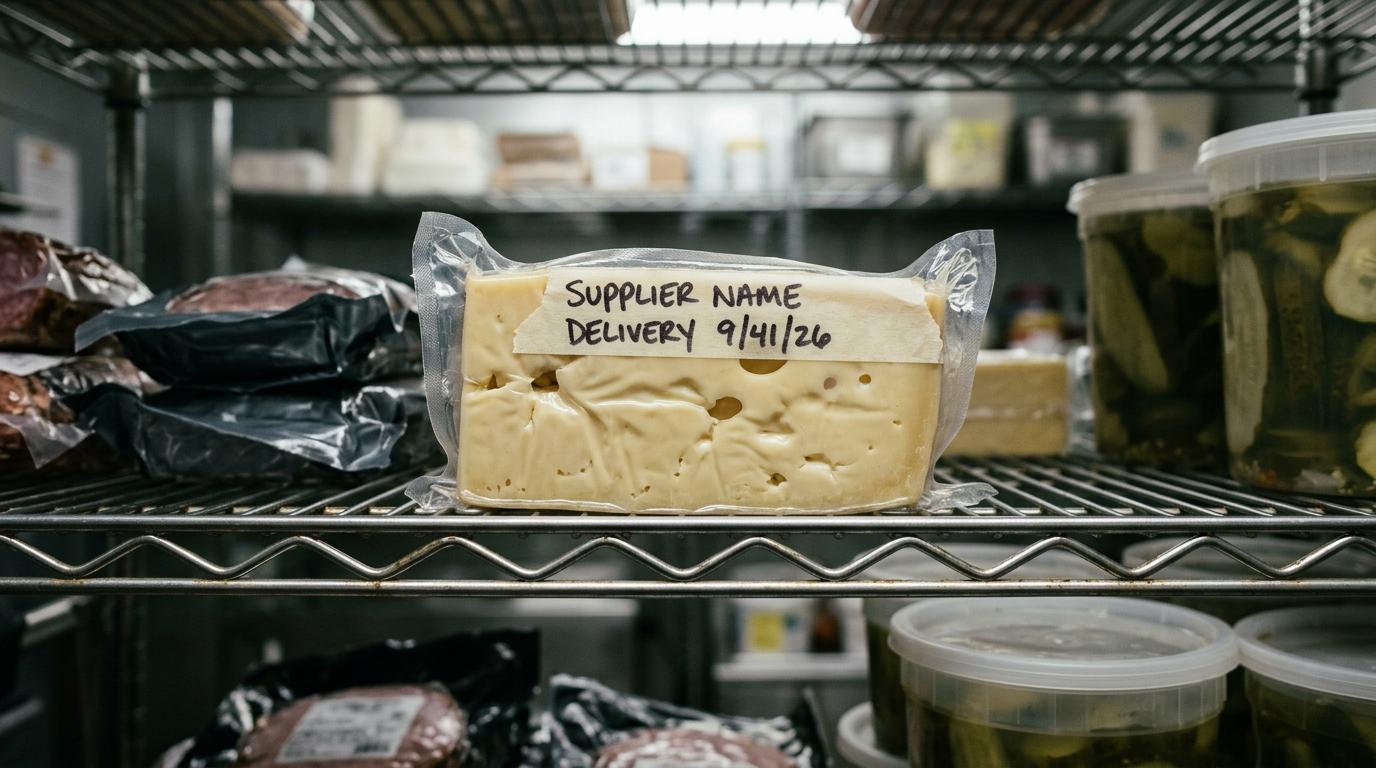
Build a receiving checklist your team uses on every delivery - temperature checks for proteins and dairy, visual inspection for produce, and weight verification on key line items. A 5% short-weight on deli meat across 20 weekly deliveries adds up to a significant cost variance over a quarter.
Also, rotate suppliers for critical items. Relying on a single source for your smoked turkey or fresh mozzarella creates a single point of failure. Maintain a backup supplier for your top 5 highest-volume ingredients so a vendor outage doesn't derail a major Philadelphia business catering contract.
Philadelphia-Specific Sourcing Opportunities
Philadelphia's food scene gives local caterers genuine advantages if you know where to look. The Reading Terminal Market remains one of the best places in the region to build relationships with small-batch producers - many vendors there sell wholesale to foodservice accounts. The Philadelphia Wholesale Produce Market on Pattison Avenue handles enormous regional volume and is accessible to commercial buyers with the right accounts.
For specialty items, the Italian Market corridor on South 9th Street has long been a resource for imported meats, cheeses, and pantry staples that broadline distributors simply don't carry. These aren't just tourist spots - they're active supply channels for smart Philly catering businesses that know how to work them.
Ingredient Sourcing as a Marketing Asset
Here's an angle many delis overlook: your sourcing story is a sales pitch. When you're pitching a recurring cafe catering in Philly contract to a Center City law firm, telling them that your eggs come from a family farm in Bucks County and your bread is baked three miles away in Fishtown is a differentiator that a national sandwich chain simply cannot match.
Document your supplier relationships. Get photos at farms, collect quotes from your bakers, and build that content into your catering proposal materials and website. Clients are choosing between options that all claim to be "fresh and delicious." Specificity wins that conversation every time.
Deli Ingredient Sourcing FAQ
How do I find local food suppliers in the Philadelphia area?
Start with the Pennsylvania Department of Agriculture's Buy Local directory, the Reading Terminal Market wholesale program, and the Philadelphia Wholesale Produce Market. Attending regional food trade shows - including the Pennsylvania Restaurant & Lodging Association events - puts you in direct contact with dozens of regional purveyors in a single day.
Should a small deli use a broadline distributor or local suppliers?
Use both. Broadline distributors handle volume staples efficiently and reliably. Local suppliers provide the high-quality, high-visibility ingredients - proteins, bread, dairy, seasonal produce - that differentiate your menu and justify premium catering pricing. Most successful Philadelphia delis run a hybrid model.
How much of a food cost percentage should ingredient sourcing target?
For deli and catering operations, a food cost target of 28–34% of revenue is a standard benchmark, though catering contracts often allow for tighter margins than retail counter service. Track food cost by category - proteins are typically your highest-cost line item and deserve the most sourcing attention.
What's the best way to handle ingredient price increases from suppliers?
Negotiate fixed-price contracts for your highest-volume staples on a quarterly or semi-annual basis. For items you can't lock in, build a 10–15% buffer into your catering pricing to absorb moderate fluctuations without repricing clients mid-contract. Review your menu pricing at minimum every six months against current ingredient costs.
How do corporate catering clients in Center City Philadelphia evaluate ingredient quality?
Corporate clients increasingly prioritize allergen transparency, local sourcing, and clean-label ingredients - meaning minimal artificial additives and preservatives. Having documented supplier information, allergen matrices for your standard catering menus, and clear answers about sourcing origins are now baseline expectations for competitive catering for businesses in Center City Philadelphia.