Behind the Catering Experience: What Really Goes Into a Great Spread
A great catering experience starts long before the first tray hits the table - it's the result of sourcing decisions, kitchen prep timelines, staffing logistics, and communication that happens days or even weeks in advance. Whether you're planning a corporate breakfast meeting in Center City Philadelphia or a full-day deli spread for an office event, understanding what goes on behind the scenes helps you choose the right catering partner and set realistic expectations for your event.
Philadelphia has a vibrant food culture, and the city's catering companies reflect that - from neighborhood delis slinging house-cured meats to cafe-style caterers building custom breakfast boards. But not all catering experiences are equal, and the difference usually lives in the details that guests never see.
It Starts With the Consultation (Not the Menu)
Most people think catering begins when they pick food. It actually begins with a conversation. A good Philadelphia catering company will ask about your headcount, event timing, dietary restrictions, setup space, and service style before a single item gets discussed. These questions aren't just administrative - they shape every decision that follows.
For business catering in Center City Philadelphia, common early-stage questions include:
- Is this a drop-off order or do you need on-site staffing?
- Will guests serve themselves, or does the food need to be pre-portioned?
- Are there elevators and loading access at the venue?
- How long does the food need to stay fresh and presentable?
- Are there any allergies or dietary preferences (vegan, gluten-free, halal, kosher)?
The answers to these questions determine whether a caterer uses chafing dishes or room-temperature spreads, how many staff members they send, and even which packaging materials they use. A rushed or skipped consultation is usually the first sign of a catering company that won't deliver a smooth experience.
Sourcing and Prep: The 48-Hour Window
For most Philadelphia catering companies offering fresh deli or cafe-style catering, the real work begins 48 hours before your event. This is when:
- Proteins are sourced or pulled from inventory- roasted meats, sliced deli cuts, smoked fish, and house-made spreads are either ordered fresh or prepared in-house.
- Produce is selected and prepped- seasonal vegetables, fruit platters, and garnishes are washed, cut, and stored properly.
- Baked goods are coordinated- for breakfast catering specifically, bagels, pastries, and rolls often come from partner bakeries with early-morning delivery windows.
- Labels and allergen documentation are prepared- especially important for corporate catering where guests may have specific dietary needs.
High-quality catering for businesses in Center City Philadelphia also involves route planning for delivery logistics, since urban environments mean navigating traffic, parking limitations, and building access protocols. A caterer who's done this before will have contingency plans built in.
Breakfast Catering: More Complicated Than It Looks
Breakfast catering is often underestimated. It sounds simple - bagels, coffee, maybe some fruit - but pulling it off well requires earlier start times, tighter temperature management, and precise delivery windows than almost any other meal type.
A typical professional breakfast catering setup for a 30-person office meeting in Philadelphia involves:
- Bagels and bread sourced from a bakery with a 4–6 AM production window
- Cream cheeses, lox, and spreads kept at proper cold-chain temperatures during transit
- Hot coffee service coordinated to arrive within 15–20 minutes of your meeting start
- Fruit and pastry platters assembled on-site or just before delivery
- Setup that takes 10–20 minutes, meaning arrival needs to be factored into your timeline
When you work with a cafe catering company in Philly that specializes in breakfast spreads, this coordination is routine. When you book a caterer that treats breakfast as an afterthought, you'll feel it - cold bagels, late coffee, and a chaotic setup right before your guests walk in.
Deli Catering: Where the Details Define the Experience
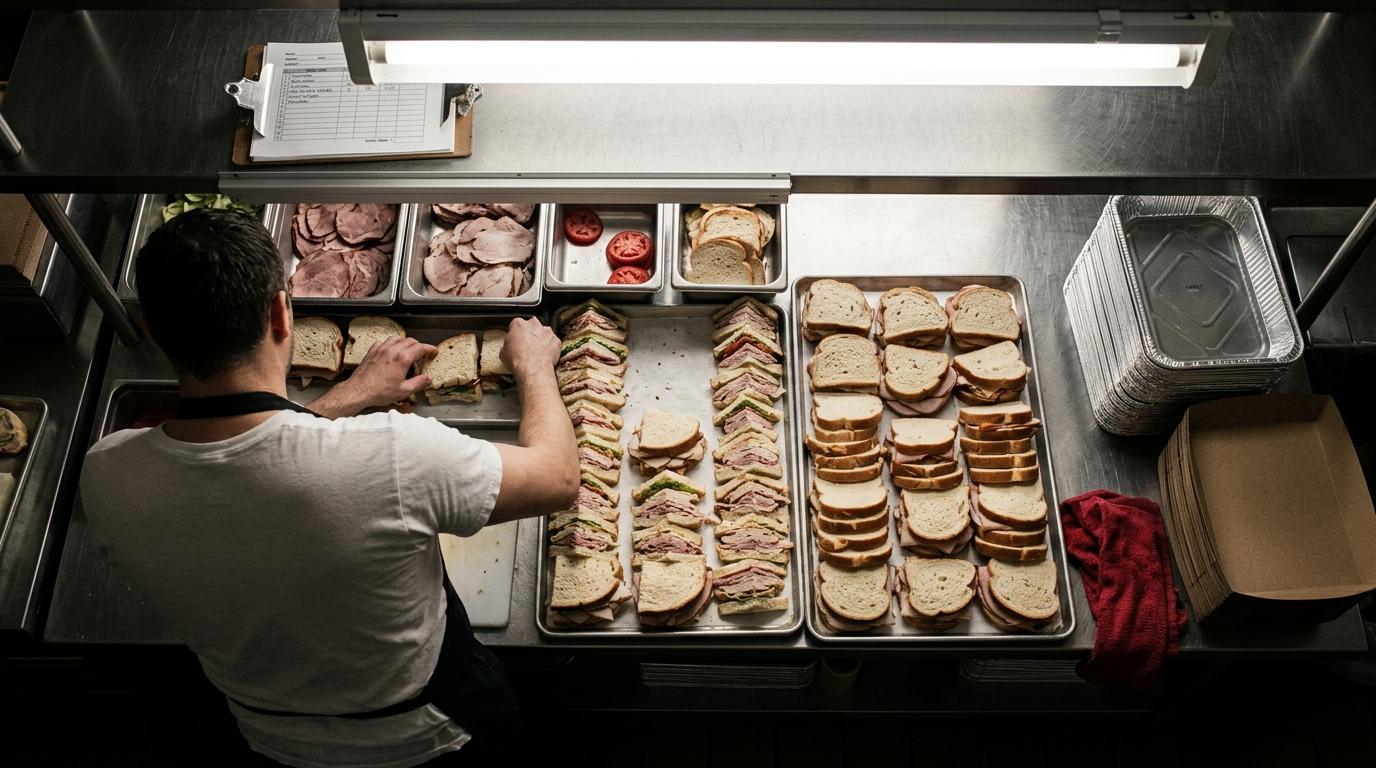
Philadelphia has deep roots in deli culture, and the best deli catering services in Philadelphia bring that heritage to every corporate spread. The difference between a mediocre deli platter and a standout one comes down to:
Standard Deli Catering Premium Deli Catering Experience Pre-sliced packaged meats Freshly sliced in-house or from local deli suppliers Generic condiments in plastic packets House-made mustards, aiolis, and spreads in ramekins White and wheat bread only Curated bread selection from local bakeries Basic labeling (if any) Clear allergen labels, ingredient cards, and dietary markers Drop-off and done Setup, arrangement, and check-in before departureThese distinctions matter because your catering is a reflection of your business. When clients or employees walk into a meeting and see a thoughtfully arranged spread with clearly labeled options and fresh ingredients, it signals care and professionalism - the same qualities your company wants to project.
Staffing and On-Site Execution
For larger corporate events, staffing is where the catering experience either comes together or falls apart. Skilled catering staff do more than carry trays. They monitor food temperatures, replenish items before they run low, manage waste discreetly, and handle guest questions about ingredients - all without drawing attention to themselves.
Philadelphia business catering for events of 50 or more guests typically includes at least one dedicated event lead who coordinates with the venue, manages the setup timeline, and communicates directly with the event organizer. This person is the difference between a smoothly running catered event and one where you're constantly putting out fires instead of networking.
For smaller drop-off orders - the 10- to 25-person range common in Center City office buildings - the execution focus shifts to packaging and presentation. Containers need to stack properly in elevator rides, hold their temperature, and look great when opened at the table. This is where the best Philly catering companies invest in better packaging materials and take the time to arrange food rather than just fill containers.
Communication: The Invisible Ingredient
Ask any experienced event planner what separates a reliable caterer from a great one, and the answer is almost always communication. Specifically:
- Confirmation emails with full order details- so there are no surprises on event day
- Day-before check-ins- to confirm headcount, timing, and access
- Day-of arrival windows- with real-time updates if traffic or logistics shift
- Post-event follow-up- for feedback and repeat booking convenience
For businesses that cater regularly - weekly team lunches, monthly client meetings, quarterly all-hands events - this communication rhythm becomes a partnership. The best catering companies in Philadelphia build systems around repeat corporate clients so that re-ordering is frictionless and the caterer already knows your building, your preferences, and your team's dietary needs.
Why Philadelphia's Food Scene Raises the Bar
Philadelphia isn't just a logistically convenient catering market - it's a city with strong culinary identity. The Italian Market, Reading Terminal, and decades of immigrant food culture have created a consumer base that knows what good food looks and tastes like. That expectation filters into corporate catering too.
Philly businesses increasingly expect catering that reflects the city's food culture - locally sourced ingredients, real deli tradition, fresh-baked goods, and thoughtful presentation. The catering companies that have grown in this market are ones that meet that standard consistently, not ones that cut corners on quality to reduce costs.
When you're evaluating Philadelphia catering companies for your next office event or business meeting, look past the menu. Ask about their sourcing, their communication process, their staffing model, and how they handle dietary accommodations. The answers will tell you everything about the experience you're going to get.
Philadelphia Catering FAQ
How far in advance should I book a caterer for a business event in Philadelphia?
For most corporate events in Center City Philadelphia, booking 5–7 business days in advance gives caterers enough time to source fresh ingredients and staff your event properly. For larger events of 50 or more guests, 2–3 weeks is a safer window. Last-minute orders under 48 hours are possible with many Philly catering companies, but menu options and customization may be limited.
What's the difference between drop-off catering and full-service catering?
Drop-off catering means the food is delivered, set up, and left for guests to serve themselves. Full-service catering includes on-site staff who set up, serve, replenish, and clean up throughout the event. For most Center City office lunches and breakfast meetings, drop-off catering is sufficient. Full-service makes more sense for client events, presentations, or gatherings where you want guests to feel hosted rather than self-served.
Can Philadelphia catering companies accommodate dietary restrictions for corporate orders?
Yes - reputable deli catering services in Philadelphia and cafe-style caterers routinely accommodate gluten-free, vegan, vegetarian, halal, and nut-free requests. The key is communicating restrictions clearly during the consultation, not as a last-minute add-on. Good caterers label every item so guests with allergies can make confident choices without having to ask staff individually.
Is breakfast catering more expensive than lunch catering per person?
Not necessarily - breakfast catering tends to be competitively priced because the core items (bagels, pastries, fruit, spreads) have lower ingredient costs than lunch proteins. However, the logistics of early-morning delivery windows, hot coffee service, and bakery coordination can add to overall pricing depending on the caterer. Request an itemized quote so you understand what's driving the cost.
How do I evaluate the quality of a Philadelphia catering company before booking?
Ask for references from other corporate clients in Center City or similar business settings, request photos of actual setups (not stock images), and ask directly about their sourcing - where do they get their deli meats, bread, and produce? A caterer that can answer those questions confidently and specifically is one that takes quality seriously. Many Philly catering businesses also offer tastings or sample boxes for new corporate accounts, which is worth requesting before committing to a recurring arrangement.