
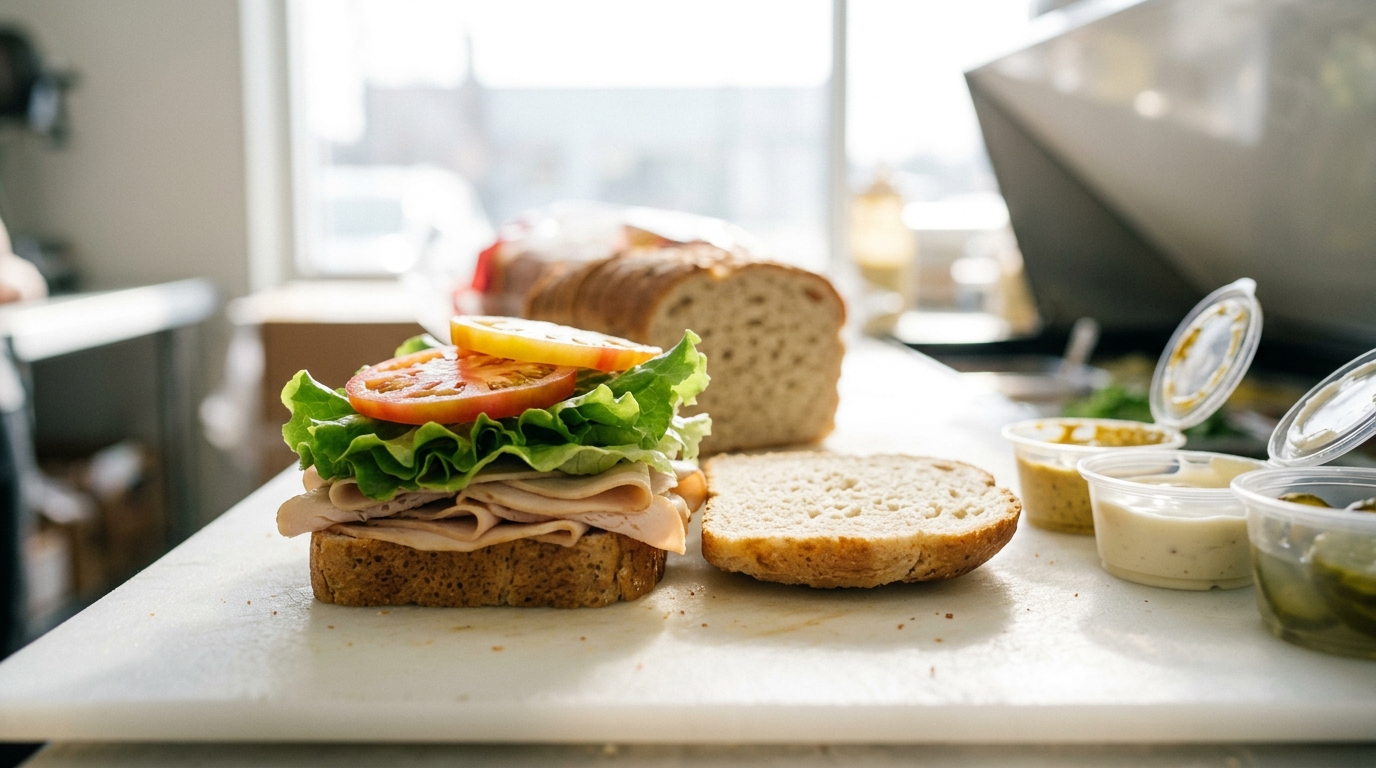
Building the Best Gluten-Free Sandwich: Breads, Meats, and Toppings That Work
A great gluten-free sandwich starts with the right bread - typically a certified gluten-free loaf, lettuce wrap, or rice-based wrap - then layers in clean deli meats, fresh vegetables, and condiments that don't hide hidden gluten. Whether you're also navigating dairy-free, low-sodium, keto, or high-protein needs, a well-stocked deli has options that genuinely work for you.
Navigating a deli menu with dietary restrictions doesn't have to feel like a negotiation. Once you know what to look for - and what to watch out for - ordering a satisfying, customized sandwich becomes straightforward. Here's a complete breakdown of how to build the best gluten-free sandwich, layer by layer.
Start With the Right Base: Gluten-Free Bread Options
The foundation of your sandwich is the most critical decision. Gluten hides in standard sandwich bread, wraps, hoagie rolls, and even some flatbreads. When you're at a deli counter, ask specifically about these alternatives:
- Certified gluten-free sliced bread: Look for loaves made with rice flour, tapioca starch, or almond flour. Brands like Canyon Bakehouse and Udi's are widely stocked at delis that serve allergy-conscious customers.
- Large lettuce wraps: Iceberg or butter lettuce leaves hold fillings well and add crunch. This is also the go-to choice for keto deli sandwiches, since it eliminates carbohydrates almost entirely.
- Rice paper wraps: A lighter alternative that's naturally gluten-free and works well with sliced meats, avocado, and fresh vegetables.
- Corn tortillas: Many delis offer these as a wrap option. Confirm they're 100% corn - some blended tortillas contain wheat flour.
If you're also dairy-free, the bread choice itself rarely involves dairy, but always check ingredient labels on packaged gluten-free breads, since some include milk-based additives for softness.
Choosing the Right Deli Meats: What to Order and What to Skip
Deli meats are where dietary needs get complicated fast. Here's what you need to know about common options across four key dietary goals:
Gluten-Free Deli Meat Options
Not all deli meats are gluten-free. Many processed meats contain fillers, flavor enhancers, and starches that include wheat. Clean options that are typically gluten-free include:
- Sliced turkey breast (oven-roasted, minimally processed)
- Roast beef (whole muscle cuts, not formed loaves)
- Sliced ham (check for glazes - honey-maple glazes are usually fine; teriyaki or soy-based glazes may contain gluten)
- Prosciutto and other dry-cured meats
Meats to approach cautiously: bologna, some chicken loaves, and pre-seasoned turkey rolls. Always ask if the deli can show you the ingredient label.
Low Sodium Deli Meat Options
Deli meats are notoriously high in sodium - a standard 2-ounce serving of regular deli turkey can contain 400–500 mg of sodium. For those managing blood pressure or following a cardiac-friendly diet, seek out:
- Low-sodium turkey breast: Many brands offer versions with under 200 mg per 2-ounce serving.
- Fresh-roasted meats: Delis that roast their own beef or turkey in-house typically use far less sodium than pre-packaged formed meats.
- Chicken breast: Plain sliced chicken breast is one of the lowest-sodium proteins available at the deli counter.
Skip pastrami, corned beef, and salami if sodium is a concern - these cured meats regularly exceed 600–900 mg per 2-ounce serving.
High-Protein Deli Order Strategies
If your goal is maximizing protein, double the meat portion and go easy on starchy fillers. A 4-ounce portion of sliced turkey breast delivers roughly 24–28 grams of protein. Roast beef at the same portion provides about 26–30 grams. Stack two proteins - turkey and roast beef together, for example - for a genuinely high-protein deli sandwich that keeps you satisfied for hours.
Deli Options for Diabetics
Managing blood sugar at the deli counter means paying attention to both the bread and the meat. Lettuce wraps or low-carb gluten-free bread dramatically reduce glycemic load. For protein, lean meats like turkey breast, grilled chicken, and roast beef are excellent choices. Avoid honey-glazed hams, sweet-cured meats, and any sandwich sauces with added sugar. A sandwich built on a lettuce wrap with turkey breast, mustard, and fresh vegetables is one of the most blood-sugar-friendly meals you can order.
Toppings That Work (and Ones That Don't)
Here's where gluten-free sandwiches often go wrong - hidden gluten in condiments and cross-contamination from shared toppings. Build smart with these choices:
Safe and Flavorful Toppings
- Avocado or guacamole: Naturally gluten-free, dairy-free, and packed with healthy fats - ideal for keto and diabetic-friendly builds.
- Fresh vegetables: Lettuce, tomato, cucumber, red onion, banana peppers, and roasted red peppers are universally safe.
- Mustard: Yellow and Dijon mustard are gluten-free in their standard forms. Always confirm whole-grain mustard is certified gluten-free, since some contain malt vinegar.
- Olive oil and vinegar: A classic Italian-style dressing that's naturally gluten-free, dairy-free, and low in sugar.
- Hummus: Gluten-free and dairy-free, hummus adds protein and creaminess as a spread.
Toppings to Watch Out For
- Regular soy sauce or teriyaki glaze: Contains wheat. Ask for tamari if available.
- Imitation crab or seafood salad: Often contains wheat starch as a filler.
- Croutons and crispy onions: Skip these entirely.
- Creamy dressings: Many contain dairy and sometimes wheat-based thickeners. Ask for the ingredient list or stick to oil-and-vinegar.
A Quick Comparison: Sandwich Builds by Dietary Need
Dietary Goal Best Base Best Protein Key Toppings Avoid Gluten-Free Certified GF bread or lettuce wrap Turkey breast, roast beef, prosciutto Mustard, olive oil, fresh veggies Soy sauce, imitation crab, malt vinegar Dairy-Free GF bread (check label), rice wrap Turkey, chicken breast, roast beef Avocado, hummus, vinegar-based dressings Cheese, creamy dressings, butter spreads Low Sodium Fresh-baked GF bread (low-sodium variety) Low-sodium turkey, chicken breast Fresh vegetables, olive oil, avocado Pastrami, corned beef, pickles, soy sauce Keto Lettuce wrap or low-carb GF bread Roast beef, salami, turkey (check for sugar) Avocado, cheese (if dairy-ok), mustard Sweet glazes, corn tortillas, rice wraps High Protein GF bread or lettuce wrap Double turkey + roast beef (4 oz each) Hummus, avocado, extra vegetables Low-protein fillers, heavy starchy spreads Diabetic-Friendly Lettuce wrap or low-glycemic GF bread Turkey breast, grilled chicken, roast beef Mustard, olive oil, non-starchy veggies Honey glazes, sweet sauces, sugary picklesCross-Contamination: The Detail Most People Forget
Even a perfectly assembled gluten-free sandwich can be compromised by cross-contamination at the deli counter. Shared slicers, cutting boards, and utensils that contact regular bread or breaded meats can introduce enough gluten to trigger a reaction in people with celiac disease. When ordering from a Philadelphia deli catering service or visiting a cafe deli counter, ask these three questions directly:
- Do you have a dedicated gluten-free slicer or do you clean the slicer between uses?
- Are gluten-free orders assembled on a separate cutting surface?
- Are any of the deli meats processed in a facility that also handles wheat products?
A quality deli catering operation takes these questions seriously and will have clear answers. If the staff seems uncertain, that's useful information about how carefully allergy protocols are followed.
Ordering Gluten-Free for Office Catering in Philadelphia
If you're coordinating business catering in Center City Philadelphia and need to accommodate gluten-free guests alongside the rest of your team, the smartest approach is to order labeled, individually wrapped options rather than a shared platter. Clearly identified gluten-free sandwiches reduce the risk of mix-ups and make guests with dietary restrictions feel included rather than like an afterthought. Many Philadelphia deli catering companies offer customizable breakfast and lunch spreads that can include certified gluten-free options alongside standard selections - just confirm the accommodation at the time of ordering, not the day of delivery.
Frequently Asked Questions
What is the safest gluten-free bread option at a deli?
Certified gluten-free sliced bread - with a clear certification label from organizations like GFFS or the GFCO - is the safest packaged option. If no certified bread is available, a large lettuce wrap is the next best choice because it introduces zero cross-contamination risk from grain-based products.
Which deli meats are naturally low in sodium?
Plain sliced chicken breast and fresh-roasted turkey breast are consistently the lowest-sodium options at the deli counter, typically ranging from 150–250 mg per 2-ounce serving. Avoid cured and processed meats like pastrami, salami, and corned beef, which can exceed 900 mg per serving.
Can I build a keto-friendly sandwich at a deli?
Yes. A keto deli sandwich built on a lettuce wrap with roast beef, turkey, avocado, mustard, and fresh vegetables contains fewer than 5 grams of net carbohydrates. Skip all bread, corn tortillas, rice wraps, and sweet condiments to stay within keto macros.
Are there gluten-free sandwich options that are also dairy-free?
Absolutely. Turkey breast or roast beef on a certified gluten-free bread with avocado, mustard, olive oil, and fresh vegetables is both gluten-free and dairy-free. The key is skipping cheese and confirming that the bread contains no milk-derived ingredients like casein or whey.
How should I order gluten-free sandwiches for a large office catering order?
Specify the gluten-free requirement when placing the catering order - not as a last-minute note. Ask for individually wrapped and clearly labeled gluten-free sandwiches, confirm the deli uses separate preparation surfaces for allergy orders, and request a written ingredient list for any packaged components. Working with a Philadelphia catering company experienced in dietary accommodations makes this process significantly easier.