Pastrami on rye is one of the most iconic sandwiches in American deli culture- a stack of peppery, smoky cured beef piled high on seeded rye bread, typically finished with spicy brown mustard. It traces its roots to Jewish immigrant communities in New York City in the late 1800s, and it has never stopped being relevant.
At our Philadelphia deli, we take that tradition seriously. Whether you're stopping in for a quick lunch in Center City or ordering breakfast catering for your office, the sandwiches we build are rooted in decades of deli craft. This post breaks down the stories, ingredients, and flavor profiles behind our most beloved menu items - starting with the king of them all.
Where Pastrami on Rye Actually Comes From
The word "pastrami" is believed to derive from the Romanian pastramă, a method of curing and smoking meat to preserve it. Romanian Jewish immigrants brought the technique to New York's Lower East Side, where beef brisket - abundant and affordable - became the protein of choice. By the early 1900s, delis like Katz's Delicatessen (opened in 1888) were slicing pastrami to order behind the counter, and the sandwich format was locked in.
The rye bread side of the equation is just as intentional. Seeded rye has a slightly sour, earthy flavor that cuts through the richness of the cured meat. It's dense enough to hold a serious stack without disintegrating, and the caraway seeds add an aromatic pop that plain white or wheat bread simply can't replicate. These two components - pastrami and rye - weren't paired by accident. It's one of the most purposeful flavor combinations in sandwich history.
What Makes a Great Pastrami on Rye
Not all pastrami sandwiches are created equal. Here's what separates an outstanding version from a forgettable one:
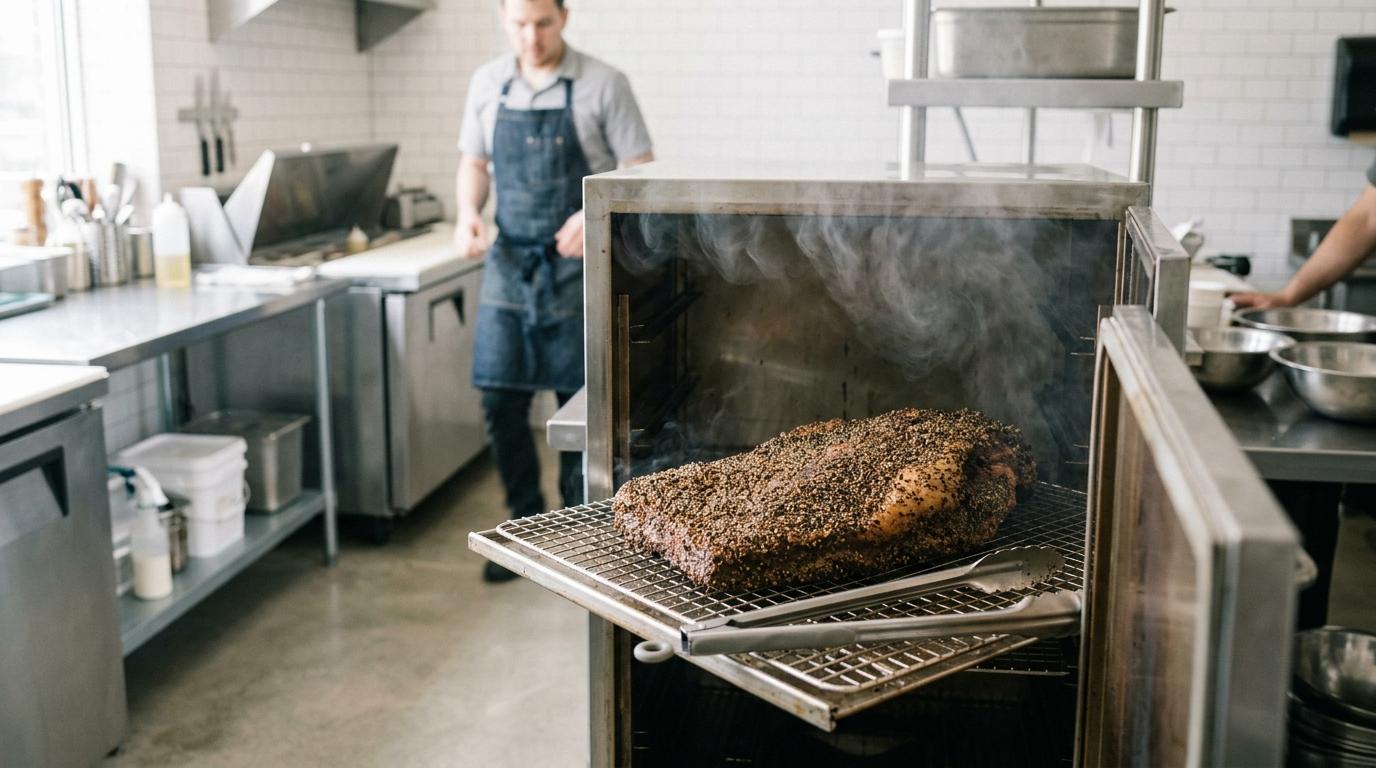
- The cut of meat: Quality pastrami starts with beef navel or brisket, brined for days with a blend of salt, sugar, garlic, and spices, then coated in a black pepper and coriander crust and smoked low and slow.
- The steam finish: Before slicing, the pastrami is steamed until it reaches peak tenderness. This step is non-negotiable. Skipping it produces dry, chewy meat.
- The slice thickness: Hand-sliced medium-thick is the gold standard. Too thin and you lose texture; too thick and it becomes hard to eat.
- The mustard: Spicy brown mustard only. Yellow mustard is a substitution, not an upgrade.
- The bread: Fresh-baked seeded rye, ideally the same day. Rye goes stale faster than other breads, so freshness matters.
The Reuben Sandwich: Pastrami's Close Cousin
You can't talk about deli sandwiches without addressing the Reuben sandwich. While the Reuben is traditionally made with corned beef rather than pastrami, the two sandwiches share the same deli DNA. The classic Reuben layers corned beef (or pastrami in many modern versions), Swiss cheese, sauerkraut, and Thousand Island or Russian dressing on grilled rye bread.
The origin of the Reuben is actually disputed. One popular claim credits Reuben Kulakofsky, a grocer in Omaha, Nebraska, who allegedly invented the sandwich during a poker game in the 1920s. Another traces it to Arnold Reuben, owner of Reuben's Restaurant in New York City. Either way, the Reuben became a staple of American deli menus nationwide, and it remains one of the most-ordered sandwiches on our menu in Philadelphia.
Pastrami on Rye vs. Reuben Sandwich: 5 Key Differences
Feature Pastrami on Rye Reuben Sandwich Primary protein Pastrami Corned beef (sometimes pastrami) Cheese None traditionally Swiss cheese Condiment Spicy brown mustard Thousand Island or Russian dressing Additional toppings None traditionally Sauerkraut Bread preparation Untoasted seeded rye Grilled or pressed ryeThe Corned Beef Special: A Deli Classic in Its Own Right
Our corned beef special deserves its own spotlight. Corned beef and pastrami both start as brisket, but the similarities end at the brine. Corned beef is wet-cured in a salt solution with pickling spices - pink peppercorns, bay leaves, cloves, and mustard seed - then boiled or slow-cooked until fork-tender. There's no smoking involved, which gives it a cleaner, brinier flavor profile compared to the deep smokiness of pastrami.
Our corned beef special builds on the classic base with house-made coleslaw, Swiss cheese, and a smear of our deli mustard blend. It's piled on rye and pressed until the cheese melts into the meat. It's the kind of sandwich that makes people stop mid-bite and say something out loud.
The Italian Hoagie: Philadelphia's Answer to the Deli Sandwich
Philadelphia has its own deli identity, and the Italian hoagie is central to it. While New York delis built their reputation on cured beef, Philly's hoagie tradition leans on Italian-American charcuterie - specifically, a layered combination of ham, salami, capicola, and provolone, dressed with shredded lettuce, tomato, onion, oregano, and a drizzle of oil and red wine vinegar.
The hoagie roll matters as much as the fillings. A proper Italian hoagie roll has a thin, crisp crust with a soft interior. It compresses slightly under the fillings without becoming soggy, and it has just enough structural integrity to hold together through the last bite. This is not something you achieve with a generic supermarket roll.
Our Italian hoagie uses:
- Genoa salami- 4 to 5 slices, thinly cut
- Hot capicola - adds heat and depth
- Imported ham - mild and sweet to balance the spice
- Sharp provolone - aged for a pronounced bite
- Fresh shredded iceberg lettuce, Roma tomato, and white onion
- Dried oregano, salt, black pepper, olive oil, and red wine vinegar
If you're searching for the best sandwiches near me in Center City Philadelphia, the Italian hoagie is the benchmark. Ours is built to order, and we don't pre-dress sandwiches that are going to sit. The oil and vinegar go on at the last possible moment.
Why These Sandwiches Work for Office Catering
Deli sandwiches are one of the smartest choices for Philadelphia business catering. They travel well, they hold up for a reasonable window between pickup and service, and they accommodate a wide range of dietary preferences without requiring separate menus. A tray that includes pastrami on rye, a Reuben option, an Italian hoagie, and a vegetarian build covers most of a typical office.
We handle deli catering services throughout Philadelphia, including recurring lunch orders for businesses in Center City, breakfast catering setups, and full event spreads. Our platters are labeled, portioned for easy service, and built with the same quality standards as our in-house menu.
Reuben Sandwich FAQ
What's the difference between pastrami and corned beef?
Both start as beef brisket, but the preparation differs significantly. Corned beef is wet-brined in a pickling salt solution and then boiled or slow-cooked, giving it a briny, tender flavor. Pastrami is dry-rubbed with a spice crust - typically black pepper and coriander - then smoked before steaming. The result is a deeper, smokier flavor profile with a firmer texture.
What makes a Reuben sandwich different from a Rachel sandwich?
A Rachel sandwich substitutes turkey for corned beef and coleslaw for sauerkraut, while keeping the Swiss cheese and Russian or Thousand Island dressing on grilled rye. The Reuben uses corned beef (or sometimes pastrami) and sauerkraut. Both are grilled rye sandwiches, but the flavor profiles are quite different - the Rachel is milder and less tangy.
What bread is best for an Italian hoagie?
An authentic Italian hoagie requires a proper hoagie roll - a long, oval roll with a thin crisp crust and a soft, slightly chewy interior. Amoroso rolls are the Philadelphia standard. Baguette-style bread is too hard and crunchy; sandwich bread is too soft and can't hold up to oil-dressed fillings.
Do you offer deli catering for businesses in Center City Philadelphia?
Yes. We provide full catering for businesses in Center City Philadelphia, including individual boxed lunches, sandwich trays, and breakfast spreads. We service recurring corporate accounts and one-time events. Orders can be placed for same-week delivery depending on availability.
How far in advance should I order catering for an office event?
For most business catering orders in Philadelphia, 48 to 72 hours of advance notice is standard. Larger orders - over 30 people or with custom build requirements - benefit from 5 to 7 days of lead time to ensure everything is prepped and portioned correctly.