Most Philadelphia offices should budget $14–$22 per person for a standard drop-off lunch, $8–$13 for breakfast, and $25–$40 or more for a served or premium meal, before tax, delivery, and tip. Those ranges hold for Center City teams of 10 to 100 people. Where you land depends on the menu, the headcount, and how much setup you want the caterer to handle.
This guide breaks down what drives the price, how much food to order, how to handle dietary needs, and how to keep office catering from turning into a monthly headache.
What Does Corporate Lunch Catering in Philadelphia Cost Per Person?
Per-person pricing is the easiest way to compare quotes. Here is how the common formats stack up for Philly business catering:
| Meeting type | Typical format | Budget per person | Best for |
|---|---|---|---|
| Morning team meeting | Bagels, pastries, fruit, coffee | $8–$13 | Standups, all-hands, early client calls |
| Working lunch | Boxed sandwiches or wraps, chips, cookie | $14–$18 | Training, internal reviews |
| Team lunch | Deli platters, salads, sides, dessert | $16–$22 | Office gatherings, 15–60 people |
| Client lunch | Hot entrees, composed salads, drinks | $25–$40+ | Pitches, board meetings, events |
Add roughly 8% Philadelphia sales tax on prepared food, a delivery fee (commonly $15–$50 depending on distance and order size), and a 10–18% tip or service charge if staff are setting up. A $17-per-person lunch for 30 people lands closer to $600–$650 once everything is added.
How Much Food to Order for an Office Lunch
Over-ordering wastes money. Under-ordering makes a bad impression. Use these working numbers:
- Sandwiches and wraps: 1 per person, or 1.5 halves if you offer sides. Cut them in halves so people can sample.
- Salads: 1 large tray feeds 10–12 as a side, or 6–8 as a main.
- Chips or sides: 1 serving per person. Add pasta or grain salad at about 4–5 oz per person.
- Hot entrees: 6–8 oz of protein per person, plus 4 oz of each side.
- Dessert: 1 cookie or bar per person. Cut brownies into smaller squares and count 1.25 per person.
- Breakfast: 1.5 bagels or pastries per person, 1 coffee serving per 1.5 attendees, and 3–4 oz of fruit per person.
Adjust for the crowd. Lunches with a lot of engineers, sales reps, or warehouse staff run hungrier than a finance team on a Tuesday. For meetings at 11:30 a.m. or earlier, order about 10% more because people arrive hungry. For afternoon meetings, order about 10% less.
Plan for the Real Headcount, Not the Invite List
Your RSVP count and your attendance count rarely match. For large office groups, expect 10–15% no-shows on in-person meetings with hybrid options, and 5% on mandatory ones. Most caterers want a final headcount 48–72 hours ahead, and some allow a 5–10% reduction up to 24 hours before.
A practical approach is to order for 90% of confirmed attendees plus a small buffer of extra platters rather than extra individual boxes. Platters absorb surprises. Boxed lunches do not, since each one is a fixed cost whether eaten or not.
Boxed Lunches vs. Platters: A Trade-Off Worth Understanding
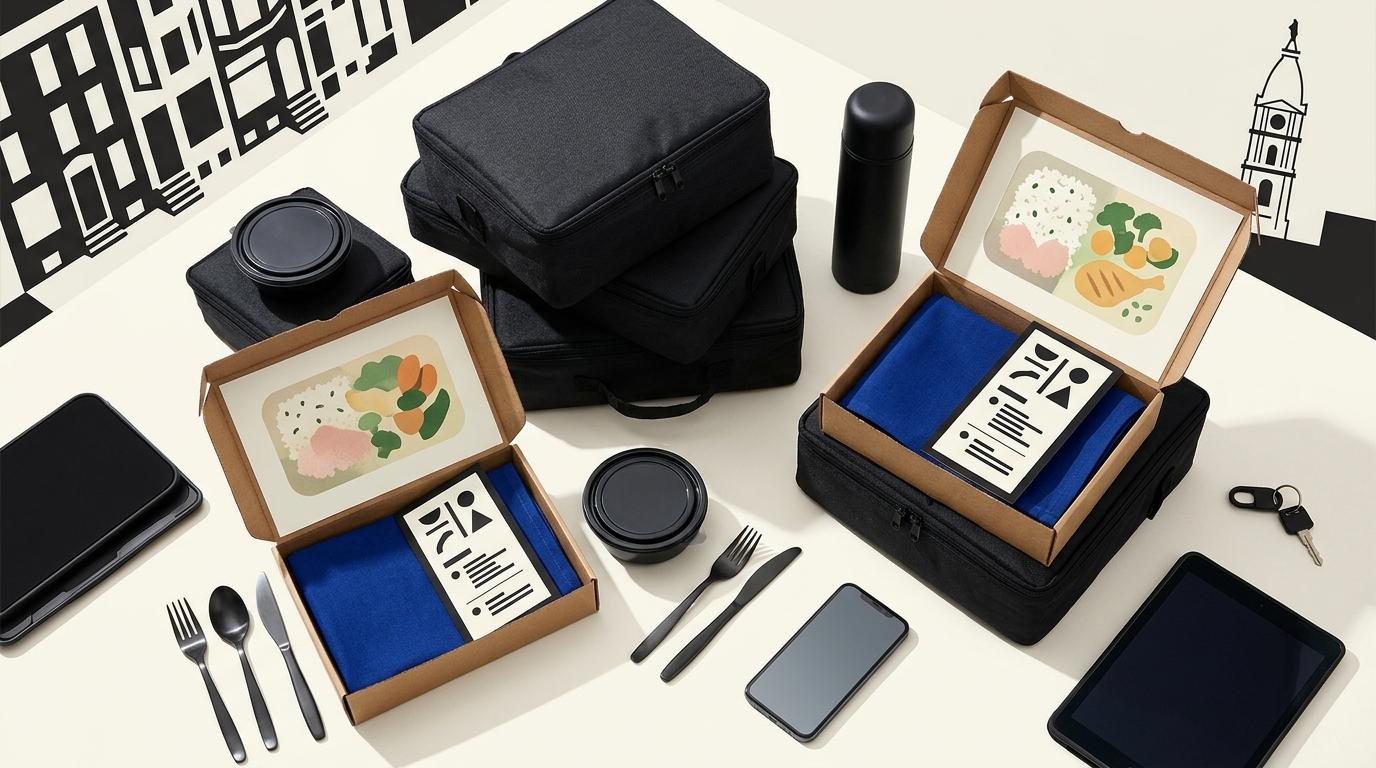
- Boxed lunches cost $1–$3 more per person but cut line time, keep dietary needs labeled and separate, and suit meetings where people eat at their desks. They work best for groups under 40 or any setting with allergy concerns.
- Platters and buffets are cheaper per head and look better in a conference room. They need someone to manage the line, serving utensils, and cleanup, and a group of 50 can take 20–25 minutes to get through a single-sided buffet.
For a Center City office with a tight meeting window, boxed lunches usually win. For a relaxed team lunch where conversation is the point, platters feel more generous.
Handling Dietary Restrictions Without Blowing the Budget
Plan for these percentages as a baseline in a mixed office group of 50 or more:
- Vegetarian: 15–20%
- Vegan: 5–8%
- Gluten-free: 5–10%
- Halal or kosher: ask directly, since it varies widely by office
- Nut or other serious allergies: collect these in advance, always
Send a short form with your meeting invite asking for restrictions by a set deadline, ideally four days out. Then ask your caterer to individually label and wrap special meals. This avoids cross-contact and avoids the common problem of vegetarians finding only a side salad left by the time they reach the table.
Cost-wise, one option is to build the whole menu around inclusive dishes: a grain bowl bar, a salad with toppings on the side, or hummus-forward wraps. That way most people eat the same food and you pay for only a handful of individually prepared special meals.
Office Catering Management: Making It Repeatable
If your team orders catering more than once a month, set up a system instead of starting from scratch each time:
- Pick a standard menu and a backup. Two or three tested options save time and reduce complaints.
- Set a per-person cap by meeting type. For example, $12 for breakfast, $18 for lunch, $30 for client events.
- Assign one owner. A single office manager or coordinator should place orders, not five different people.
- Use a standing account. Many Philadelphia caterers offer invoicing, saved orders, and consistent delivery windows for repeat business clients.
- Track what comes back. Note leftover quantities after each event and adjust the next order.
Timing and Delivery Details That Affect Cost
Lead time matters. Most caterers want 24–48 hours for small orders and a week or more for groups over 75. Rush orders often carry a 10–20% surcharge.
For Center City deliveries, confirm building rules before the day. Many high-rises require a certificate of insurance, a loading dock reservation, or freight elevator access. Ask whether the caterer will set up and clean up or simply drop off. Drop-off is cheaper, while full setup typically adds $50–$150 or a percentage of the order.
Also request chafing dishes and fuel only if you need hot food held for more than 30 minutes. Otherwise, choose cold or room-temperature items that hold well, such as deli sandwiches, pasta salads, and wraps.
Where to Save Without Making the Meal Feel Cheap
- Choose deli over hot entrees. Deli catering in Philadelphia is often $4–$8 per person cheaper than a hot buffet and travels better.
- Skip individually bottled drinks. Pitchers of iced tea and water, or a coffee service, cost far less than cans and bottles.
- Limit the number of options. Four sandwich choices plus one vegetarian are enough. Fifteen choices raise prep costs and waste.
- Upgrade one thing. A great dessert or a standout salad makes the meal memorable and costs less than raising the whole menu tier.
- Order breakfast for 10 a.m. meetings. It often costs half what lunch does and still keeps people happy.
Philadelphia Office Catering FAQ
How much should I budget for catering a 25-person office lunch in Philadelphia?
Budget $425–$575 total for a 25-person deli lunch. That covers about $16–$20 per person for food, plus tax, delivery, and a modest tip. Hot entrees or full setup push the total toward $700–$900.
How far in advance should I book corporate catering?
Book 2–3 days ahead for groups under 30, one week ahead for 30–75 people, and two weeks ahead for larger events or peak weeks in spring and December. Rush orders usually cost 10–20% more.
How many sandwiches do I need for 20 people?
Order 20 full sandwiches, or 30 half-sandwiches if you are adding sides and dessert. Add one or two extra if the meeting is before noon or the group skews hungry.
What percentage of my group will need vegetarian or gluten-free meals?
Plan on 15–20% vegetarian, 5–8% vegan, and 5–10% gluten-free for a typical office. Collect restrictions with your invite so you can order labeled individual meals instead of guessing.
Is boxed lunch or buffet better for business meetings?
Boxed lunches suit meetings under an hour, groups under 40, and any group with allergies. Buffets cost less per person and work better for longer, social gatherings where you have time for a line.