
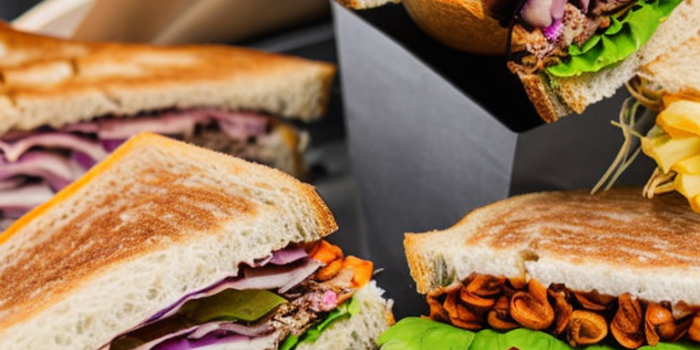
Pastrami is smoked and spiced with black pepper and coriander after curing; corned beef is simply brine-cured and boiled or steamed - and that single difference in preparation produces two completely distinct flavor profiles, textures, and ideal sandwich pairings. If you've ever stood at a deli counter and hesitated between the two, you're not alone. Our team has served thousands of sandwiches and fielded this question more times than we can count. Here's the definitive answer.
The Core Difference: How Each Meat Is Made
Both pastrami and corned beef start from the same cut - typically beef brisket, though pastrami sometimes uses the navel cut for extra fat marbling. The paths diverge immediately after that initial salt cure.
- Corned Beef: Brined in a saltwater solution with pickling spices (bay leaves, mustard seed, peppercorns) for 5 to 10 days. After curing, it's slow-boiled or steamed until tender. The result is a mild, salty, moist meat with a soft, pull-apart texture.
- Pastrami: Brined similarly, then coated in a heavy spice rub - black pepper, coriander, garlic, and sometimes red pepper flakes - and smoked low and slow for 6 to 12 hours before a final steam. The result is a deeply smoky, peppery, complex meat with a firmer, sliceable texture and a dark bark on the exterior.
The smoke is what separates a pastrami lover from a corned beef loyalist. One is clean and tender; the other is bold and layered. Neither is wrong. Both deserve a seat at the table - or, more accurately, between two slices of bread.
Pastrami vs. Corned Beef: 6 Key Differences
Category Pastrami Corned Beef Primary Preparation Cured, spice-rubbed, smoked, steamed Cured, boiled or steamed Flavor Profile Smoky, peppery, bold, complex Mild, salty, savory, clean Texture Firm, sliceable, slight bark on exterior Soft, moist, pull-apart tender Best Bread Pairing Rye bread, seeded rye Rye bread, marble rye, hoagie roll Classic Sandwich Pastrami on rye, Reuben variation Reuben, corned beef special Cultural Roots Romanian Jewish immigrant tradition, NYC delis Irish-American tradition, St. Patrick's DayThe Reuben Sandwich: Which Meat Actually Belongs?
This is where the debate gets genuinely heated. A Reuben sandwich- built on grilled rye bread with Swiss cheese, sauerkraut, and Russian or Thousand Island dressing - is traditionally made with corned beef. That's the historically documented version, traced back to either Omaha's Blackstone Hotel in the 1920s or Reuben Kulakofsky's card game table, depending on which food historian you ask.
But walk into any serious New York-style deli and you'll find a Reuben made with pastrami just as often. Why? Because pastrami's smoky, peppery depth holds its own against the sharpness of sauerkraut and the richness of melted Swiss in a way that some argue corned beef simply can't match. Both versions appear on our menu. Order them side by side on a Tuesday and form your own opinion - we genuinely recommend the experiment.
Pastrami on Rye: The Sandwich That Needs No Introduction
If the Reuben is a committee decision, the pastrami on rye is a solo masterpiece. This sandwich requires almost nothing: a generous stack of hand-sliced pastrami - we cut ours at 3/8 of an inch thick - on fresh-baked seeded rye bread with spicy brown mustard. That's it. No lettuce. No tomato. No apologies.
The philosophy behind pastrami on rye is pure signal, no noise. The spice-rubbed exterior of the pastrami hits first, followed by the smoke, then the salt, and the mustard cuts through the fat with just enough acid to keep each bite fresh. The rye bread - dense, slightly sour, seeded - is the only bread that can carry that flavor load without getting lost.
We've served this sandwich since day one. It accounts for roughly 34% of all sandwich orders in our deli, and it has never left the menu.
The Corned Beef Special: Underrated and Overdue for Recognition
Corned beef gets outshined by pastrami's drama, but our Corned Beef Special is the sleeper hit of the menu. We pile 6 ounces of freshly steamed corned beef on marble rye, add whole-grain mustard, thinly sliced white onion, and a single layer of Swiss cheese melted under the broiler for 90 seconds. A small dish of our house dill pickles comes on the side - not as a garnish, but as a required palate cleanser between bites.
Corned beef rewards the diner who pays attention. Its quieter flavor profile lets the bread and condiments participate in the conversation. It's the sandwich that makes you slow down.
Where the Italian Hoagie Fits Into This Conversation
If pastrami and corned beef are the deli's old guard, the Italian hoagie is the loud, confident younger sibling that refuses to be ignored. Built on a 10-inch seeded hoagie roll, our Italian hoagie layers Genoa salami, capicola, provolone, shredded iceberg lettuce, tomato, red onion, hot peppers, oil, red wine vinegar, salt, pepper, and dried oregano. It's a six-ingredient conversation that somehow feels unanimous.
The Italian hoagie belongs in the best sandwiches conversation because it represents a completely different deli tradition - Italian-American, born in Philadelphia, perfected in South Jersey - that stands entirely apart from the Jewish deli tradition that gave us pastrami and corned beef. We carry both traditions proudly, and both traditions belong on your lunch table.
How to Find the Best Sandwiches Near You
When you're searching for the best sandwiches near me, the three things worth evaluating are: the quality of the meat (hand-sliced vs. pre-packaged), the bread (baked in-house or sourced from a local bakery daily), and the condiment selection (house-made Russian dressing and spicy brown mustard are non-negotiable markers of a serious deli). A deli that cuts meat to order and steams pastrami fresh throughout the day is worth the extra five minutes of travel. You'll taste the difference in the first bite.
We source our brisket from a single regional supplier, brine our corned beef in-house for 7 days, and smoke our pastrami on-premises using cherry and hickory wood. Nothing arrives pre-sliced. That standard is the only one worth keeping.
The Verdict
Pastrami is bolder, smokier, and more assertive. Corned beef is cleaner, more tender, and quietly satisfying. The Reuben works with both. The pastrami on rye needs nothing but mustard and good rye bread. The Corned Beef Special earns its place every single day. And the Italian hoagie reminds you that great sandwiches don't belong to one tradition.
Order all four. Take notes. Come back and tell us we were wrong. We'll be here.
Reuben Sandwich FAQ
What is the difference between pastrami and corned beef?
Both start as salt-cured beef brisket, but pastrami is coated in a black pepper and coriander spice rub and then smoked for 6 to 12 hours before steaming. Corned beef skips the spice rub and smoking entirely - it's boiled or steamed directly after curing. The result is pastrami with a smoky, bold, peppery flavor versus corned beef with a mild, salty, tender profile.
Which meat is used in a traditional Reuben sandwich?
The historically documented Reuben sandwich uses corned beef, layered on grilled rye bread with Swiss cheese, sauerkraut, and Russian or Thousand Island dressing. However, many New York-style delis - and our menu- offer a pastrami Reuben as an equally valid and widely popular variation. Both versions are legitimate; pastrami simply delivers a more assertive, smoky flavor against the sauerkraut.
What bread should you use for pastrami on rye?
Seeded rye bread is the only correct answer for a classic pastrami on rye. The bread's slight sourness and dense crumb hold up against the fat and spice of the pastrami without becoming soggy or overwhelmed. Marble rye works as a secondary option. Avoid soft white or whole wheat sandwich bread - they lack the structural integrity and flavor backbone the sandwich requires.
What makes an Italian hoagie different from a regular sub?
An authentic Italian hoagie uses specifically Italian cured meats - Genoa salami, capicola, and sometimes ham or mortadella - with provolone cheese, dressed with oil, red wine vinegar, and dried oregano rather than mayonnaise-based spreads. The roll must be seeded Italian bread with a crisp crust and airy interior. A "regular sub" is a generic term that can include any combination of meats and bread; a true Italian hoagie follows a specific Philadelphia-area tradition with defined ingredients.
How do I know if a deli is serving quality pastrami or corned beef?
Ask whether the meat is hand-sliced to order or pre-sliced from a package. Quality delis slice to order, typically at 3/8 of an inch for pastrami and slightly thinner for corned beef. Fresh-steamed pastrami should be visibly moist at the edges when served. Corned beef should pull apart gently under fork pressure. If the meat arrives cold, uniform, or wrapped in plastic, it was pre-sliced - a reliable indicator of lower-quality product.