Provolone is a firm, aged Italian cheese with a tangy, slightly smoky flavor, while mozzarella is a fresh, soft cheese with a mild, milky taste and high moisture content - and that single distinction changes everything about how you use them. Whether you're building the perfect deli sandwich in Philadelphia or stocking your office spread, knowing which cheese to reach for makes a real difference in the final result.
Both cheeses are Italian in origin, both are beloved at the deli counter, and both show up constantly in charcuterie and sandwich catering. But they are not interchangeable. Let's break down exactly what separates them - and how to pair each one with the right deli meats, breads, and occasions.
The Core Differences: Provolone vs. Mozzarella at a Glance
Feature Provolone Mozzarella Texture Firm to semi-firm Soft and springy Moisture Low High (especially fresh) Flavor Tangy, buttery, sometimes smoky Mild, milky, clean Aging Aged 2–12+ months Not aged (fresh) or lightly processed Sliceability Excellent - holds its shape Soft; fresh versions don't slice cleanly Melt quality Melts well, mild pull Melts beautifully, strong stretch Best use Deli sandwiches, hoagies, charcuterie boards Hot sandwiches, caprese, catering platters Sodium level Moderate (~450mg per oz) Lower (~175mg per oz fresh)What Makes Provolone the Deli Counter King
Provolone is a pasta filata cheese - the curds are stretched and kneaded in hot water, giving it that characteristic smooth, layered texture. It comes in two main styles:
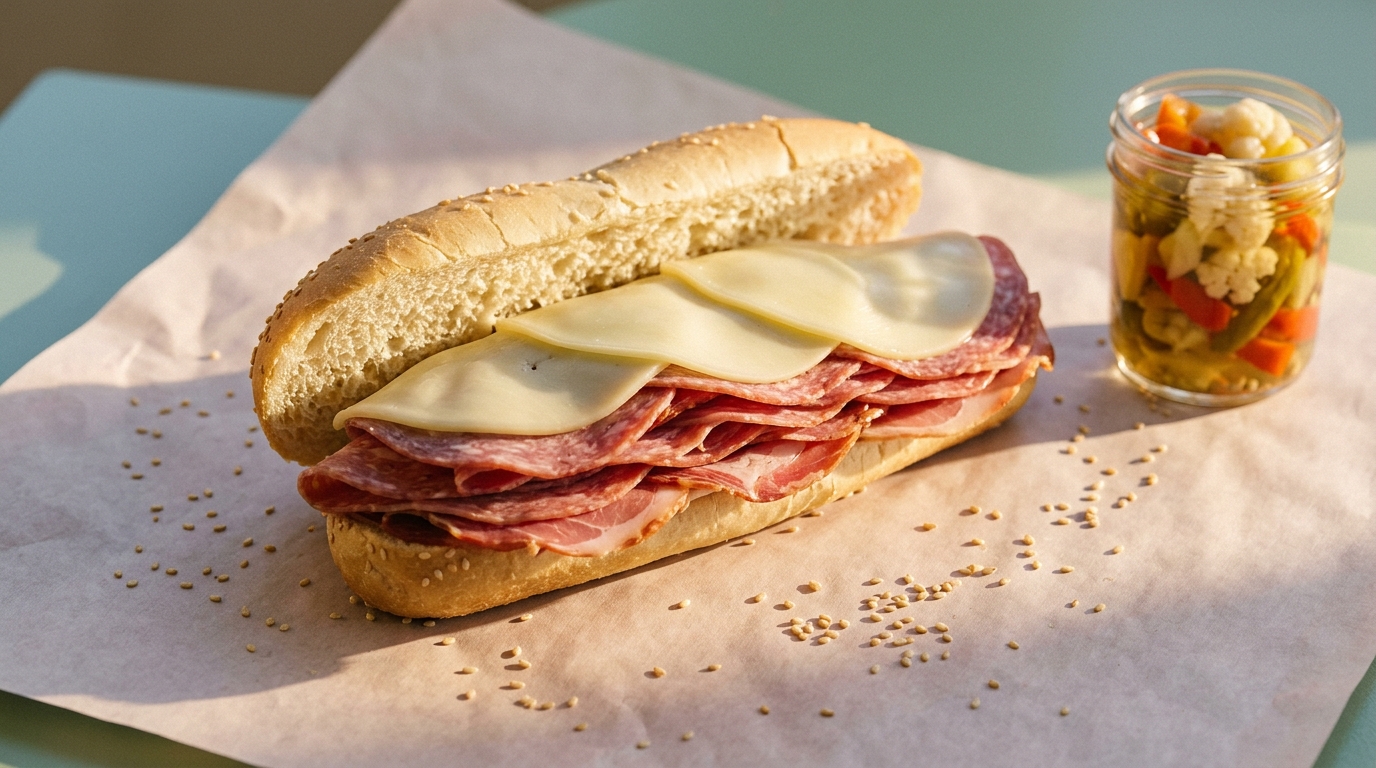
- Provolone Dolce- aged 2–3 months, pale yellow, mild and slightly buttery. This is what you find at most Philadelphia deli counters and is ideal for hoagies and cold-cut sandwiches.
- Provolone Piccante- aged 6 months or longer, sharper and more pungent. This is the version you want on a charcuterie board alongside cured meats like prosciutto or capicola.
Because provolone slices cleanly and holds its shape at room temperature, it's the best cheese for sandwiches being prepped in large quantities - exactly the scenario that comes up in catering for businesses in Center City Philadelphia. It layers beautifully, doesn't weep moisture onto the bread, and its flavor is assertive enough to hold its own against bold deli meat types like sharp salami or hot coppa.
What Makes Mozzarella the Right Call in Other Situations
Fresh mozzarella (sold in water or whey) is a completely different animal from the low-moisture mozzarella block you find on pizza. Here's how each version plays at the deli:
- Fresh mozzarella- high moisture, soft, delicate. Best for caprese arrangements, fresh vegetable catering platters, or pairing with sliced prosciutto and basil. It's a natural for breakfast catering displays where visual appeal matters as much as flavor.
- Low-moisture mozzarella- firmer, saltier, melts with that iconic stretch. This is what goes on a hot sandwich press or a mozzarella stick. It's not the first choice for a cold deli spread.
Fresh mozzarella is also one of the better options if you're watching sodium intake. At roughly 175mg of sodium per ounce, it sits far below most aged cheeses - making it one of the most practical choices when clients ask about low sodium deli meat and cheese pairings for corporate catering.
How These Cheeses Pair with Deli Meat Types
Cheese selection doesn't happen in a vacuum - it's inseparable from the cured meats around it. Here's how provolone and mozzarella pair with the most common deli meat types you'll encounter:
- Prosciutto + fresh mozzarella- the classic Italian pairing. The fat in prosciutto and the milky creaminess of mozzarella balance perfectly. Add melon or fig and you have a complete catering moment.
- Capicola or coppa + provolone dolce- both have assertive, spiced flavors, and the mild tang of provolone keeps things in balance without competing.
- Genoa salami + provolone piccante- for guests who want big flavor, this combination delivers. A staple on any serious Philadelphia deli platter.
- Mortadella + fresh mozzarella- this is a next-level pairing worth knowing. Mortadella is a finely ground Italian pork sausage studded with cubes of fat and sometimes pistachios. Its silky, buttery texture matches mozzarella's freshness far better than a sharper cheese would.
- Turkey or chicken breast + provolone- for lighter deli meat types, provolone adds flavor without overwhelming the protein.
A Quick Note on Mortadella (Because It Deserves One)
The question "what is mortadella" comes up constantly, and it deserves a direct answer. Mortadella is a cooked, emulsified Italian sausage originating from Bologna - which is why American bologna is its distant, less refined cousin. True mortadella contains at least 15% pork fat cubes distributed throughout the meat, and quality versions include whole pistachios. The flavor is subtly sweet, porky, and rich. It's not aggressively spiced like salami, which makes it one of the most versatile deli meats for catering spreads, especially deli catering services in Philadelphia where you need crowd-pleasing options across a wide range of palates.
Prosciutto vs. Serrano: The Cured Ham Comparison
While we're demystifying the deli case, the prosciutto vs. serrano question deserves clear treatment:
- Prosciutto di Parma- Italian dry-cured ham, aged a minimum of 12 months (often 24+), salt-only cure, delicate and sweet with a silky fat cap. Protected by DOP designation.
- Jamón Serrano- Spanish dry-cured ham, typically aged 12–18 months, made from white pigs (versus the black-hoofed Ibérico breed used for jamón ibérico). Slightly firmer texture, more mineral and savory flavor than prosciutto.
Both are thinly sliced and served at room temperature. Both pair well with provolone piccante or fresh mozzarella. The primary difference is flavor profile: prosciutto is sweeter and more delicate, serrano is firmer and more savory. For catering boards, offering both side by side gives guests a genuine tasting experience rather than a generic meat plate.
When to Use Each Cheese for Catering in Philadelphia
If you're planning a breakfast catering order, office lunch, or corporate event through a Philadelphia catering company, here's the practical breakdown:
- Cold deli sandwiches for a crowd → Provolone dolce. It slices, stacks, and holds up during transport without making bread soggy.
- Charcuterie and grazing boards → Provolone piccante plus fresh mozzarella together - one for punch, one for contrast.
- Clients watching sodium → Fresh mozzarella is the clear winner for a lower-sodium cheese option alongside lean turkey or low sodium deli meat selections.
- Caprese or vegetable stations → Fresh mozzarella only. Provolone has no place in a caprese.
- Hot pressed or toasted sandwiches → Low-moisture mozzarella melts better. Provolone is a solid second choice.
The Bottom Line
Provolone and mozzarella are both excellent cheeses - they're just excellent at different things. Provolone is your workhorse for cold sandwiches, hoagies, and flavor-forward charcuterie pairings. Mozzarella is your go-to for fresh applications, lower-sodium needs, and elegant display boards. Understanding the difference between them is the same skill as understanding what separates a great Philadelphia catering spread from a forgettable one- it's all in the details.
What is the main difference between provolone and mozzarella?
Provolone is an aged, firm cheese with a tangy and sometimes smoky flavor, while mozzarella is a fresh, soft cheese with a mild, milky taste. Provolone slices cleanly and holds up in cold sandwiches; fresh mozzarella is better suited for caprese salads, charcuterie boards, and pairings with prosciutto or mortadella.
Which cheese is better for deli sandwiches?
Provolone - specifically provolone dolce - is the best cheese for deli sandwiches. It slices evenly, layers without moisture issues, and its mild tang complements most deli meat types including salami, capicola, turkey, and roast beef.
What is mortadella, and how is it different from bologna?
Mortadella is a cooked, emulsified Italian pork sausage from Bologna, made with a minimum of 15% cubed pork fat and often whole pistachios. It's finer in texture, richer in flavor, and far more refined than American bologna, which is a simplified, lower-fat adaptation. Mortadella pairs especially well with fresh mozzarella.
What is the difference between prosciutto and serrano ham?
Prosciutto is an Italian dry-cured ham aged at least 12 months, known for its sweet, delicate flavor and silky fat. Serrano is a Spanish dry-cured ham with a firmer texture and more savory, mineral flavor. Both are served thinly sliced at room temperature, but prosciutto is milder and serrano is more intense.
Which cheese is lower in sodium - provolone or mozzarella?
Fresh mozzarella is significantly lower in sodium, at approximately 175mg per ounce compared to provolone's roughly 450mg per ounce. For clients requesting low sodium deli meat and cheese pairings, fresh mozzarella combined with thinly sliced turkey or prosciutto is a practical, flavorful option.