
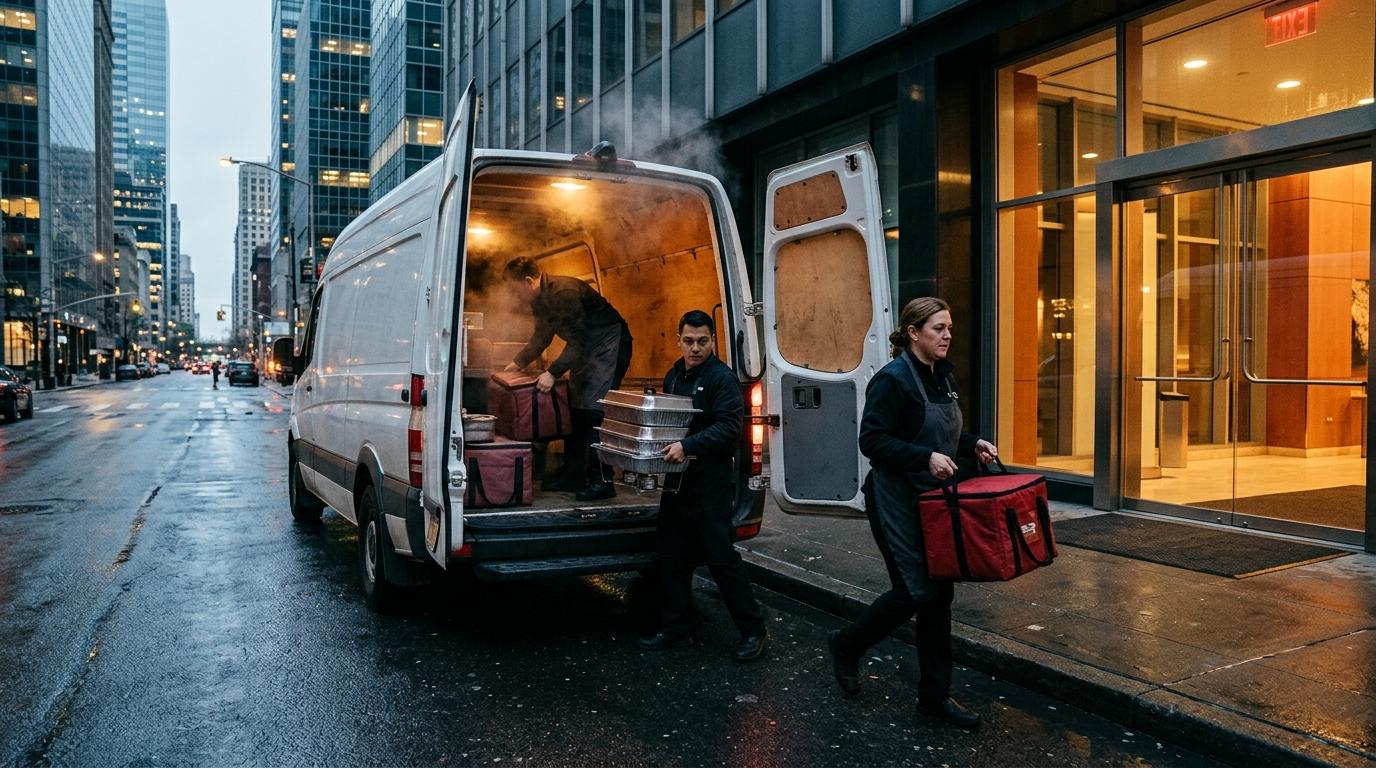
Breakfast Catering Planning & Logistics: Everything You Need to Know Before Your Next Order
Successful breakfast catering comes down to three non-negotiables: accurate headcount, a confirmed delivery window, and a menu matched to your group's dietary mix. Nail those three, and the rest of the logistics fall into place. Miss one, and you're scrambling before the coffee even brews.
Whether you're organizing a morning board meeting in Center City Philadelphia, a welcome breakfast for a new hire class, or a recurring Monday morning team huddle, the planning process is largely the same. This guide walks you through every step - from your first call with a Philadelphia catering company to the moment the last bagel is cleared.
Why Breakfast Catering Is Different from Lunch or Dinner
Breakfast has a tighter margin for error than any other meal. Your guests arrive hungry and often need to get into a meeting or event within 30 to 45 minutes of arrival. There's no leisurely grazing window. That means your Philadelphia business catering order needs to be fully set up and ready to serve - not still being unpacked - when the first person walks through the door.
A few things that make breakfast logistics uniquely demanding:
- Early delivery windows. Most corporate breakfast orders land between 7:00 a.m. and 9:00 a.m. - peak traffic hours in Philadelphia. Build in buffer time when coordinating with your caterer.
- Temperature sensitivity. Hot items like egg sandwiches, frittatas, and breakfast burritos have a short hold window. Cold items like yogurt parfaits and fresh fruit need to stay chilled.
- Setup space. Conference rooms and lobbies weren't designed as buffet lines. You need to communicate table dimensions and outlet access to your caterer in advance.
- Dietary variety at breakfast is often overlooked. People assume breakfast is simple, but a single order can include gluten-free, dairy-free, vegan, and nut-allergy requests all at once.
Step-by-Step Breakfast Catering Planning Timeline
- Confirm your headcount - at least 5 business days out. Most Philadelphia catering companies require a minimum of 48 to 72 hours notice for breakfast orders, but 5 business days gives you room to adjust quantities without penalty. Lock in a firm number, then add 10% as a buffer.
- Set your budget per person. Breakfast catering in Philadelphia generally runs lower per head than lunch, but pricing depends heavily on format - continental spreads cost less than hot plated setups. Know your number before you browse menus.
- Choose your format. The three most common breakfast catering formats are buffet/self-serve, boxed individual meals, and plated service. For most Center City Philadelphia office events, buffet or boxed formats are easiest to manage.
- Collect dietary restrictions. Send a quick survey to attendees at least 3 days before placing your order. Even a simple email reply system works. Share the results with your caterer when you finalize.
- Confirm delivery logistics. Give your caterer the building address, floor, suite number, freight elevator access, parking or loading dock details, and a direct contact cell number for the day of delivery.
- Decide on setup and cleanup. Some catering for businesses in Center City Philadelphia includes full setup and pickup. Others drop off and leave. Know which service level you're ordering and whether you need to rent serving equipment separately.
- Confirm the order 24 hours in advance. Call or email your caterer the day before to reconfirm headcount, delivery time, and any last-minute dietary changes.
Breakfast Catering Formats: A Side-by-Side Comparison
Choosing the right format is one of the most important decisions in breakfast catering planning. Here's how the three main options compare across five key factors:
Factor Buffet / Self-Serve Boxed Individual Meals Plated Service Cost per person Low to moderate Moderate High Dietary management Moderate - labels required Excellent - individualized Excellent - pre-assigned Setup complexity Medium Low High Best for group size 15–100+ 5–50 10–40 COVID-era preference Lower Higher NeutralFor most Philadelphia office catering situations - especially recurring orders - the buffet format offers the best balance of cost, flexibility, and ease. Boxed meals remain the go-to when individual dietary tracking matters most.
What to Order: Building a Balanced Breakfast Menu
A well-rounded breakfast catering spread covers four categories: protein, carbs, fresh produce, and beverages. Here's a reliable framework for any group of 20 or more:
- Proteins (aim for 2–3 options): Egg and cheese sandwiches, mini quiches, hard-boiled eggs, Greek yogurt, smoked salmon.
- Carbs (aim for 3–4 options): Bagels, assorted muffins, croissants, whole grain toast, breakfast pastries.
- Fresh produce: Seasonal fruit salad, individual berry cups, sliced melon.
- Beverages: Regular coffee, decaf, hot tea, orange juice, and a cold water option. Never skip the decaf - it's always needed.
If you're ordering from a deli catering service in Philadelphia, ask about bagel and schmear packages - they're crowd favorites, cost-effective, and easy to customize with multiple spread options for different dietary needs.
Day-Of Logistics: What Actually Happens
Planning is one thing. Execution is another. On the morning of your event, here's what to expect and how to stay ahead of problems:
- Designate an internal point of contact. This person meets the caterer, confirms the order on arrival, and manages setup. Don't leave it to whoever happens to be at the front desk.
- Check items against the order sheet. Caterers are human. Items get missed. A 60-second count when delivery arrives saves a lot of scrambling later.
- Set up before guests arrive. This sounds obvious, but many offices schedule delivery too close to the event start time. Build in at least 20–30 minutes between delivery and the first guest.
- Keep hot items covered until serving time. Chafing dishes and heat-retaining covers keep food at safe temperatures. Ask your caterer if these are included or if you need to arrange them separately.
- Have a cleanup plan. If your caterer doesn't handle pickup, assign someone to manage breakdown. Most Philadelphia catering companies will return for pickup within a set window - confirm that window at booking.
How to Find the Right Philadelphia Catering Company for Breakfast
Not every catering company in Philadelphia specializes in morning service. When evaluating options, ask these specific questions:
- What is your earliest available delivery time?
- Do you offer recurring weekly or monthly breakfast catering contracts?
- How do you handle last-minute headcount changes?
- Are setup and breakdown included, or billed separately?
- How do you label items for allergen and dietary information?
A caterer that handles cafe catering in Philly for regular office clients will already have answers to all of these ready. If they hesitate, that's useful information too.
Breakfast Catering Planning FAQ
How far in advance should I place a breakfast catering order in Philadelphia?
Place your order at least 48 to 72 hours in advance for standard breakfast catering. For groups over 50, recurring contracts, or events requiring special dietary accommodations, 5 to 7 business days is a safer lead time. Last-minute orders under 24 hours are possible with some Philadelphia catering companies but often carry a rush fee and limited menu options.
What is a reasonable per-person budget for office breakfast catering?
A continental-style breakfast - bagels, pastries, fruit, and coffee - typically runs lower per person than a hot breakfast buffet with egg dishes and proteins. Pricing varies by vendor and group size, so request itemized quotes from at least two or three Philadelphia catering companies before committing. Per-person cost usually decreases as group size increases.
How do I handle multiple dietary restrictions in a breakfast catering order?
Collect dietary information from attendees at least 3 days before placing your order. Share a complete list with your caterer, and request clearly labeled items for gluten-free, dairy-free, vegan, and allergen-specific options. Boxed individual meals are the most reliable format when dietary management is a top priority.
Do Philadelphia catering companies handle setup and breakdown?
Many do, but policies vary. Some include full setup and scheduled pickup in the base price. Others charge separately for setup labor or offer drop-off-only service. Always confirm the service level in writing when you book, and ask for a specific pickup time window so your team knows when to expect the caterer to return.
What's the best breakfast catering option for a recurring weekly office order?
A standing weekly contract with a local Philadelphia business catering provider is the most efficient approach. It locks in your preferred menu, delivery time, and pricing, and eliminates the need to reorder each week. Ask your caterer if they offer a rotating menu to keep things fresh for repeat attendees - most experienced Philadelphia catering companies have this built into their recurring client packages.