
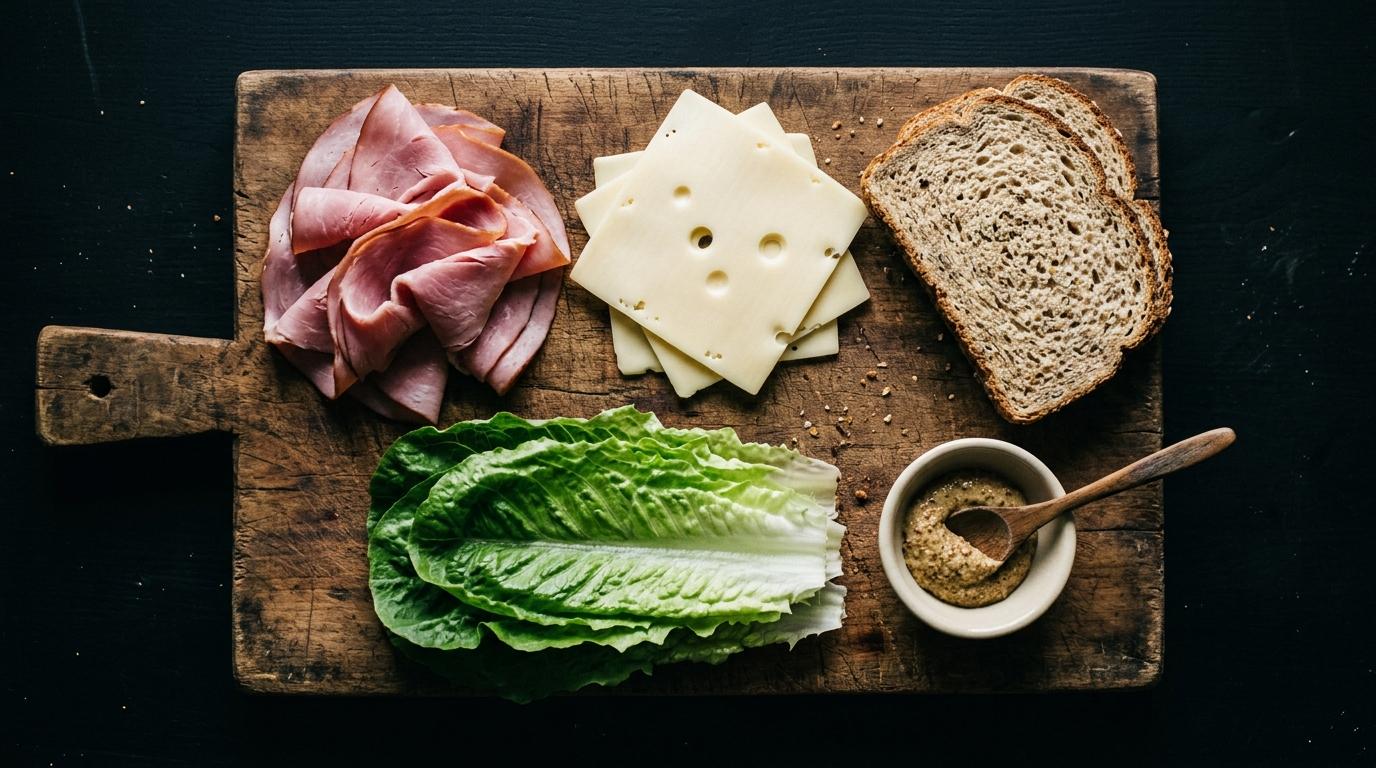
Navigating Dietary Needs at the Deli Case: Low-Sodium, Gluten-Free, and Nitrate-Free Options Explained
The deli case holds more than 50 distinct meat and cheese varieties in a well-stocked shop - and choosing the right ones for your dietary needs doesn't have to be guesswork. Whether you're managing hypertension, avoiding gluten, or cutting out added nitrates, specific deli meat types and cheeses fit your goals. This guide names them, compares them, and tells you exactly what to look for on the label.
Understanding Sodium in Deli Meats
Sodium is the single biggest concern for most deli shoppers. A standard 2-oz serving of conventional deli turkey can contain 450–600 mg of sodium - nearly 20–25% of the 2,300 mg daily limit recommended by the American Heart Association. Processed ham regularly tops 700 mg per serving. That math adds up fast when you build a sandwich.
Low sodium deli meat is defined by the FDA as containing 140 mg of sodium or less per serving. Look for that specific claim on the package, not "reduced sodium," which only means 25% less than the original product - not necessarily low in absolute terms.
Low-Sodium Deli Meat: Best Options Ranked
- Uncured roast beef (in-house roasted): Typically 180–280 mg per 2 oz when sliced fresh - the lowest of any deli meat category when prepared without brine.
- Low-sodium turkey breast: Boar's Head Low Sodium Turkey Breast delivers 50 mg per 1-oz serving - one of the lowest commercially available options.
- Fresh-roasted chicken breast: Ask your deli to slice from a whole roasted bird. Sodium stays under 200 mg per 2-oz serving when no brine is used.
- Mortadella (reduced sodium varieties): Traditional mortadella runs 500+ mg per serving, but reduced-sodium versions bring this to around 280 mg without sacrificing the characteristic pistachio-and-fat texture.
- Prosciutto di Parma DOP: Two thin slices (about 1 oz) contain roughly 550 mg of sodium - use it sparingly as a flavor accent rather than a primary protein.
What Is Mortadella - and Is It Gluten-Free?
Mortadella is a large, finely ground pork sausage originating in Bologna, Italy, dating back to at least the 14th century. Authentic mortadella contains pork, pork fat, salt, whole black peppercorns, and often pistachios or myrtle berries. The EU's Protected Geographical Indication (PGI) status for Mortadella Bologna means producers must follow a strict recipe with no fillers.
The gluten question is straightforward for imported, PGI-certified mortadella: it contains no wheat, barley, or rye by regulation. However, domestic mortadella-style products sometimes use starch fillers or are produced on shared equipment. Always confirm with your deli counter staff about cross-contamination protocols if you have celiac disease.
Gluten-Free at the Deli Counter: What's Safe, What Isn't
Most whole-muscle cured meats - prosciutto, coppa, bresaola, and whole-roasted turkey - are naturally gluten-free. The risk comes from three sources:
- Fillers and binders: Some deli loaves, bologna, and chicken rolls use wheat starch. Check the ingredients list, not just the marketing copy.
- Shared slicers: A deli slicer used for a rye bread-studded head cheese immediately before slicing your turkey is a cross-contamination event. Ask staff to clean and sanitize the blade before your order, or visit during low-traffic hours.
- Marinades and coatings: Peppered turkey, honey-glazed ham, and any breaded product may carry gluten. "Pepper-coated" is usually safe; "breaded" never is.
Cheeses are almost universally gluten-free in their natural form. The exception is beer-washed rinds (like some Limburger varieties) and processed cheese spreads that use wheat-based thickeners. Stick to natural-rind aged cheeses - Parmigiano-Reggiano, aged Gouda, Manchego, and sharp cheddar - and you're on solid ground.
Nitrate-Free Deli Meats: What the Label Actually Means
Labels reading "no added nitrates or nitrites" are common, but the claim is frequently misleading. Most "uncured" deli meats use celery powder or celery juice as a curing agent - and celery is naturally high in nitrates, which convert to nitrites during processing. The USDA requires these products to carry the qualifier "except for those naturally occurring in celery powder," which is often printed in small type.
Truly nitrate-minimized options include:
- Fresh-roasted meats sliced in-house: Roast beef, roast turkey, or roast chicken prepared without curing agents contain essentially zero added nitrates.
- Prosciutto di Parma and Serrano ham: Cured with only salt and time - no nitrate or nitrite additions permitted under their respective DOP/DOP regulations. Both are the closest thing to nitrate-free in the cured category.
- Bresaola della Valtellina IGP: Air-dried beef cured with salt, pepper, and wine. No nitrates added under IGP rules.
Prosciutto vs. Serrano Ham: 5 Key Differences
Category Prosciutto di Parma (Italy) Jamón Serrano (Spain) Curing time Minimum 12 months; premium legs aged 24–36 months 7–18 months depending on grade (Bodega, Reserva, Gran Reserva) Pig breed Large White, Landrace, or Duroc crossbreeds White pig breeds (Landrace, Duroc); distinct from black-hoofed Ibérico Flavor profile Sweet, delicate, buttery with mild saltiness Firmer, nuttier, more pronounced salt and umami Fat character Soft, white intramuscular fat that melts on the palate Firmer fat, less marbling, slightly drier texture Nitrates added None - DOP rules prohibit them None - traditional Serrano uses salt onlyFor sandwich use, prosciutto pairs with mild, creamy cheeses like fresh mozzarella or burrata. Serrano holds its own against aged cheeses- Manchego aged 6 months is the classic Spanish pairing, and it works.
Best Cheese for Sandwiches: Matching Cheese to Meat and Dietary Goals
Cheese selection changes the entire character of a sandwich. Here's a direct pairing guide based on flavor intensity and dietary compatibility:
- For low-sodium builds: Fresh mozzarella (85 mg sodium per oz) and Swiss cheese (54 mg per oz) are the lowest-sodium natural cheese options. Avoid feta (316 mg per oz) and halloumi (350+ mg per oz).
- For gluten-free builds: All naturally aged cheeses are safe - aged cheddar, Gruyère, Comté, Parmigiano-Reggiano, and Manchego. Avoid processed American cheese slices with unlisted additives.
- For bold deli meats (salami, coppa, soppressata): Cut the richness with a sharp provolone, aged Asiago, or a young Pecorino Romano.
- For delicate meats (prosciutto, bresaola, roast turkey): Let the meat speak with a mild, creamy counterpart - fresh chèvre, young Gouda, or a good French brie.
- For maximum flavor in minimum slices: Parmigiano-Reggiano aged 24 months shaved over roast beef or bresaola adds concentrated umami with a small portion - useful when managing sodium by reducing total cheese volume.
Quick Reference: Deli Meat Types by Dietary Category
- Low sodium (<200 mg per 2 oz): In-house roast beef, fresh chicken breast, Boar's Head low-sodium turkey
- Naturally gluten-free whole-muscle cuts: Prosciutto, coppa, bresaola, pancetta, whole roasted meats
- No added nitrates (truly): Prosciutto di Parma DOP, Serrano DOP, Bresaola IGP, in-house roasted meats
- High sodium - use sparingly: Traditional salami (600–900 mg per oz), deli ham (500–700 mg per 2 oz), aged prosciutto
The deli counter rewards customers who ask specific questions. Ask where the meat was sliced, what's in the brine, whether the slicer was cleaned. A knowledgeable deli team answers these questions without hesitation - because the answers matter.
Deli Meat Types FAQ
What is the lowest-sodium deli meat you can buy?
Boar's Head Low Sodium Turkey Breast contains 50 mg of sodium per 1-oz serving, making it the lowest commercially available sliced deli meat. Fresh in-house roasted chicken or beef sliced without brine can also reach under 100 mg per 2-oz serving, depending on preparation.
Is prosciutto gluten-free?
Yes. Authentic Prosciutto di Parma DOP contains only two ingredients: pork and salt. It contains no wheat, barley, rye, or gluten-containing additives by regulation. Confirm with your deli that the slicer is free of cross-contamination if you have celiac disease.
What is mortadella made of, and how does it differ from bologna?
Mortadella is a finely emulsified pork sausage from Bologna, Italy, made with pork, pork fat (in large visible cubes), black peppercorns, and often pistachios. American bologna is a simplified, softer derivative using the same emulsification technique but without the fat cubes, pistachios, or PGI quality requirements. Mortadella is denser, more complex in flavor, and always contains visible fat pockets.
Does "uncured" deli meat really mean nitrate-free?
Not reliably. Most "uncured" products use celery powder or celery juice as a curing agent. Celery contains naturally occurring nitrates that function identically to added sodium nitrite during curing. The USDA requires the label to disclose this. Truly nitrate-free options are fresh-roasted in-house meats and traditionally salt-cured hams like Prosciutto di Parma and Jamón Serrano DOP, which prohibit nitrate additions under their protected-origin rules.
What is the best cheese for a low-sodium sandwich?
Swiss cheese (54 mg sodium per oz) and fresh mozzarella (85 mg per oz) are the two lowest-sodium natural cheese choices widely available at the deli counter. Pair either with in-house roasted turkey or chicken for a sandwich that stays well under 400 mg of sodium total before condiments.