The bread on your sandwich determines whether lunch is forgettable or genuinely good. At our Philadelphia deli, every roll, loaf, and wrap we use comes from local bakers we've vetted personally - and that single decision ripples through every catering order we send out the door.
Most people never think to ask where a catering company's ingredients come from. We think that's worth changing. So here's a transparent, behind-the-scenes look at how we source our deli staples - the bread, the meats, the cheeses - and why ingredient sourcing is the single biggest quality differentiator among Philadelphia catering companies.
The Bread Problem Nobody Talks About
Walk into most corporate catering operations and the bread arrives in plastic sleeves from a regional distributor. It's shelf-stable, consistent, and entirely unmemorable. It does the job the same way a paper plate does the job - technically, but without any care.
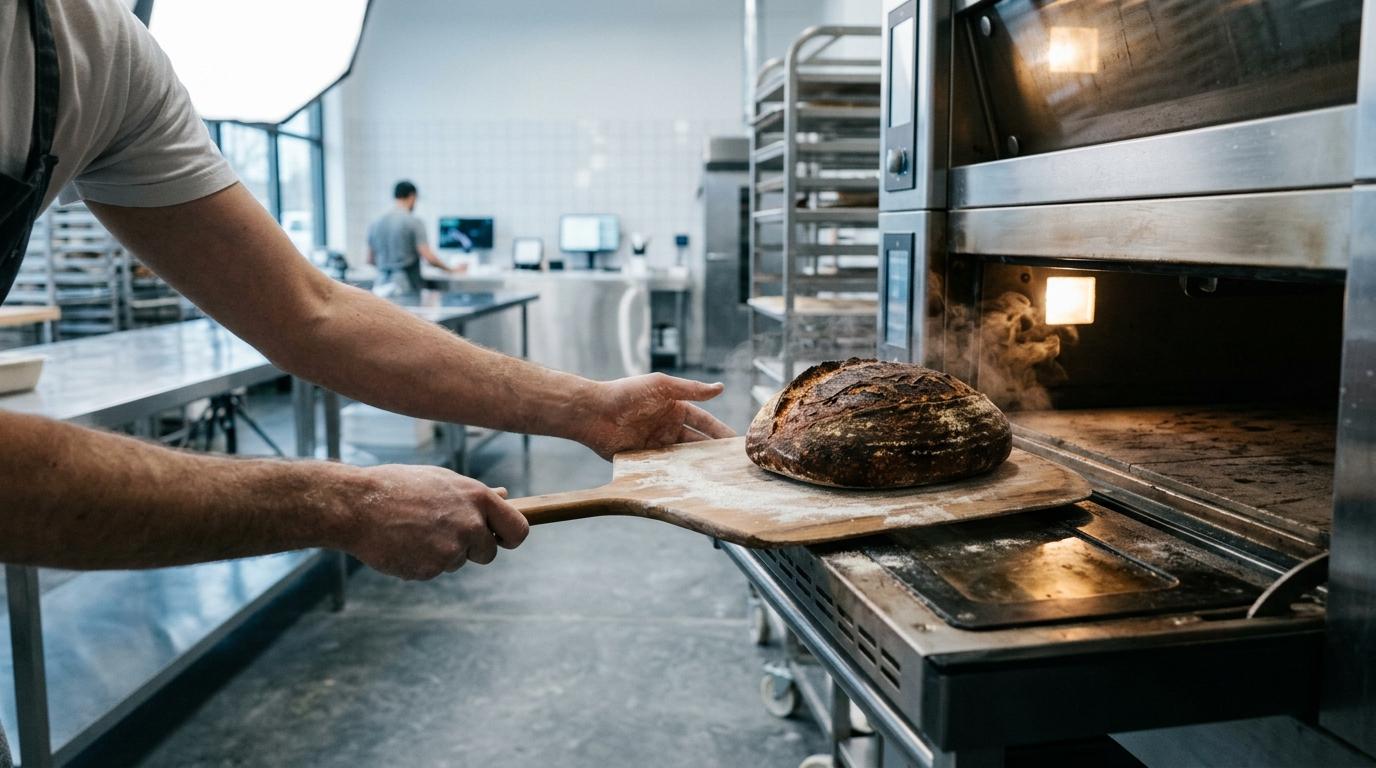
We made a different call. Our bread comes from local Philadelphia-area bakeries that bake daily in small batches. That means:
- No preservatives extending shelf life at the cost of texture
- Actual crust- the kind that holds up under sliced turkey without turning to mush
- Flavor that complements the filling instead of competing with it or disappearing into it
- A fresher product every single day, sourced based on order volume rather than bulk inventory
Is local artisan bread more expensive than a bulk distributor loaf? Yes. Does it change the experience of every sandwich on your catering tray? Absolutely yes.
Where Does Our Deli Meat Actually Come From?
This is the question more people should be asking their deli catering services in Philadelphia. "Deli meat" is a broad category that spans everything from premium, house-roasted turkey breast to mass-produced, heavily processed sliced product that spent weeks in a vacuum-sealed bag before hitting your tray.
When people search "where does deli meat come from," the honest answer for most commercial operations is: a large national processor, distributed through a regional food service company, with a supply chain that's optimized for cost and volume, not flavor or freshness.
Our approach is different in three specific ways:
- We prioritize locally sourced deli meat from regional suppliers who process in smaller runs and deliver more frequently. Shorter time from processing to plate means better texture and cleaner flavor.
- We read ingredient labels. We don't carry meats loaded with nitrates, excessive sodium fillers, or artificial color additives. If we wouldn't eat it ourselves, it doesn't go on your tray.
- We ask questions about the animals. For our premium proteins - roast beef, turkey breast, smoked ham- we source from suppliers who can tell us how and where the animals were raised. "We don't know" is not an acceptable answer from a deli meat supplier.
Artisan Deli Ingredients vs. Standard Catering Ingredients: A Direct Comparison
Category Standard Catering Approach Our Artisan Approach Bread Source Regional food distributor, pre-sliced, shelf-stable Local Philadelphia bakeries, baked fresh daily Deli Meat Origin National processor, high-volume output Regional suppliers, smaller runs, shorter supply chain Cheese Selection Standard commodity blocks (American, Swiss, provolone) Aged and specialty cheeses from regional creameries where available Produce Bulk wholesale, arrives days before use Sourced closer to delivery date, prioritizing local farms seasonally Condiments Bulk industrial packets or generic spreads House-made spreads and curated specialty condiments Ingredient Transparency Rarely disclosed to clients Available upon request for every item on the menuThe difference shows up immediately when you put both trays side by side. One looks like lunch. The other looks like someone actually cared.
Farm to Deli: What That Actually Means for a Philly Catering Business
"Farm to table" has become a marketing phrase that lost meaning through overuse. "Farm to deli" should mean something specific and verifiable. For us, it means we can trace our key proteins and produce back to named regional suppliers - not just say "locally sourced" and leave it vague.
Philadelphia sits in the middle of one of the most productive agricultural regions on the East Coast. Lancaster County farms, South Jersey produce operations, and Pennsylvania cheese producers are all within a two-hour radius of Center City. There's no logistical reason for a Philadelphia business catering operation to rely exclusively on national distributors when this kind of regional supply chain is available.
We've built relationships with suppliers who understand the volume and timing demands of catering - because farm-fresh sourcing only works if it's reliable. A beautiful locally sourced deli meat means nothing if it doesn't show up on time for your 11:30 AM board lunch.
Why This Matters for Your Office or Event
If you're ordering breakfast catering in Philadelphia or setting up a working lunch for your team in Center City, here's what ingredient quality actually affects:
- Dietary trust: Guests with sensitivities or preferences need to know what's in the food. Sourcing transparency makes that conversation easier and safer.
- Staying power: Highly processed deli meats are often water-heavy and less satiating. Quality proteins from real suppliers keep people full through the afternoon - relevant for all-day conferences and long meeting blocks.
- First impressions: When you bring in catering, it reflects on you. A tray of memorable, clearly quality food signals that you pay attention to details. That matters to clients and staff alike.
- Repeat satisfaction: We work with a lot of recurring corporate accounts. When the food is genuinely good, people look forward to catering days. When it's generic, they eat because they have to.
The Honest Trade-Off
We'll be straightforward: sourcing fresh deli ingredients from local and regional suppliers costs more than ordering through a single national food service distributor. We absorb some of that difference through efficient operations. Some of it is reflected in our pricing.
What we don't do is source cheap ingredients and charge premium prices. Every line item on your invoice corresponds to a real sourcing decision we've made deliberately. If you want to know exactly where the turkey on your tray came from, ask us. We'll tell you.
That kind of transparency is increasingly rare in the cafe catering Philadelphia market. We think it shouldn't be.
Locally Sourced Deli Meat FAQ
Where does your deli meat come from?
Our deli meats come from regional suppliers with shorter supply chains than national food service distributors. We prioritize producers who can tell us how their animals were raised and who process in smaller, more frequent runs. We don't source from suppliers who can't answer basic questions about their product's origin.
What makes artisan deli ingredients different from standard catering ingredients?
Artisan deli ingredients are produced in smaller batches, with less reliance on preservatives, fillers, and artificial additives. The practical difference is better flavor, better texture, and a cleaner ingredient list. Standard catering ingredients are optimized for shelf life and cost at scale - not for the experience of eating them.
Do you use locally sourced deli meat for all catering orders?
We use locally and regionally sourced proteins as our baseline, with some items sourced from quality national suppliers when regional options don't meet our standards for consistency or food safety. No ingredient makes our menu simply because it's cheap or convenient.
Can I get a full ingredient breakdown for my catering order?
Yes. We provide ingredient information for any item on our menu upon request. If you're managing dietary restrictions, allergies, or specific nutritional requirements for your group, reach out before you order and we'll walk through the details with you.
Does sourcing better ingredients mean catering costs significantly more?
Our pricing reflects real sourcing costs, but we're competitive within the Philadelphia catering market for the quality tier we operate in. The more relevant comparison isn't our price vs. the cheapest option - it's our quality vs. other options at a similar price point. On that comparison, ingredient sourcing is where we consistently differentiate.